B2B buyers are done with static PDFs. Discover how an AI knowledge base and conversational knowledge base are transforming enterprise knowledge management.
Here’s a scenario every B2B buyer knows too well. You’re mid-evaluation on a vendor. You need one specific answer – pricing tiers, integration specs, compliance coverage – and the only resource available is a 60-page PDF. You scan it. You search it. You still can’t find what you need in under ten minutes. You move on.
That friction is not a minor annoyance. It’s a deal-breaker. And it’s why Enterprise AI Knowledge Management is no longer a nice-to-have for B2B tech companies – it’s a competitive differentiator.
An AI knowledge base is a centralized repository of enterprise content – documentation, FAQs, product specs, policies, case studies – that uses artificial intelligence to surface relevant information in real time. Unlike a traditional database that retrieves exact keyword matches, an AI knowledge base understands context. It can interpret what a user is actually asking, even if the phrasing doesn’t match any headline in the repository.
Think of it as the difference between searching a filing cabinet and asking a knowledgeable colleague. One gives you folders. The other gives you answers.
For enterprises managing thousands of documents across product lines, regions, and teams, that distinction matters enormously. AI-powered knowledge management solutions don’t just store enterprise data – they make it accessible and actionable at scale.
Static documentation has had a long run. PDFs, slide decks, and Word documents served enterprise knowledge management reasonably well for decades – but the B2B buying environment has changed faster than the formats have.
Today’s B2B buyers are self-directed researchers. Studies consistently show that buyers complete the majority of their evaluation before ever contacting a sales rep. They want to find answers on their own terms, on their own timeline. A static document slows that process down significantly.
PDFs don’t adapt. They can’t understand follow-up questions. They don’t know that the answer to “What’s your SOC 2 coverage?” is buried on page 47 under a heading that reads “Security Certifications and Audit Protocols.” And they certainly can’t connect a buyer’s question to a related case study that might close the deal.
This is where a conversational knowledge base fundamentally changes the game.
A conversational knowledge base layers Conversational AI on top of structured and unstructured enterprise data. The result is a system that responds to natural language queries the way a subject matter expert would – with context, precision, and relevance.
When a prospect asks “Does your platform support single sign-on for enterprise clients?” they don’t want a link to your documentation homepage. They want a direct answer, ideally with a pointer to the relevant technical spec or a follow-up option if they need more detail. That’s exactly what this kind of system delivers.
For B2B teams, this translates into three immediate wins. First, sales reps spend less time fielding repetitive information requests and more time on high-value conversations. Second, buyers move through their evaluation faster because they’re not blocked on basic questions. Third, the knowledge management platform itself captures query patterns – surfacing gaps in documentation and informing content strategy.
The enterprise buying cycle is long, complex, and involves multiple stakeholders. A CTO evaluating infrastructure security, a CFO assessing total cost of ownership, and a procurement lead reviewing compliance requirements are all asking different questions – often simultaneously.
A well-built platform serves all three. Role-based access, multi-format content support, and intelligent search capabilities mean each stakeholder gets what they need without being routed through the same generic documentation portal.
AI-Powered Enterprise Search also plays a critical role in post-sale scenarios. Onboarding teams, customer success managers, and end users all rely on accurate, fast information to extract value from a product. When that information is locked in static files, adoption suffers. When it’s powered by Enterprise AI Knowledge Management, time-to-value drops and retention improves.
Not all AI-powered knowledge management solutions are built the same. When evaluating platforms, B2B buyers should prioritize a few non-negotiables.
Intelligent search that goes beyond keyword matching is table stakes. The platform should understand semantic meaning – connecting a question about “data residency” to documentation on “regional cloud hosting” even when the phrasing doesn’t align exactly.
Integration depth matters too. A knowledge management platform that doesn’t connect with your CRM, ticketing system, or content management infrastructure creates silos rather than solving them. Look for platforms with robust API support and pre-built connectors for the tools your teams already use.
Finally, governance and enterprise data controls are critical in regulated industries. Role-based permissions, audit logs, and version control aren’t optional features – they’re requirements for any enterprise deployment.
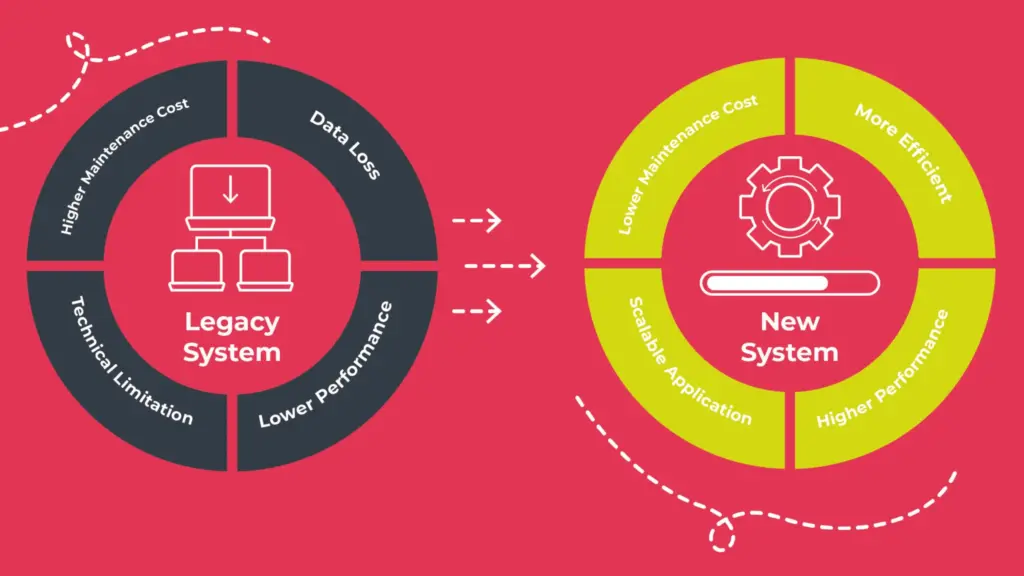
The move from static documentation to a dynamic, AI-powered system isn’t just a technology upgrade. It’s a shift in how enterprises think about knowledge – from something you archive to something you activate.
B2B buyers have already made their expectations clear. The question is whether your knowledge infrastructure is ready to meet them.
An AI knowledge base is a centralized content repository that uses artificial intelligence to understand and respond to natural language queries. Unlike traditional search, it interprets context rather than matching exact keywords – making enterprise data faster and easier to access for buyers, teams, and end users across the organization.
A conversational knowledge base combines structured enterprise content with Conversational AI to deliver real-time, dialogue-style responses to user queries. It functions like a knowledgeable assistant – surfacing relevant answers, follow-up options, and related documentation without requiring users to navigate static files.
It removes friction from the evaluation process. B2B buyers can get direct, precise answers to technical, compliance, or commercial questions without waiting on sales reps or sifting through lengthy documents. This speeds up the buying cycle and improves confidence in purchase decisions.
Because static documents don’t adapt to how modern buyers research. PDFs can’t respond to follow-up questions, connect related content, or surface the right answer quickly. As buyers become more self-directed, AI-powered knowledge management solutions that deliver instant, contextual responses are replacing document-heavy knowledge workflows.
A traditional knowledge base is essentially a searchable archive – useful only if you know exactly what you’re looking for. AI-powered systems understand intent. They interpret ambiguous queries, surface semantically related content, and adapt responses based on context, making them a far more efficient knowledge management platform for buyers and internal teams alike.