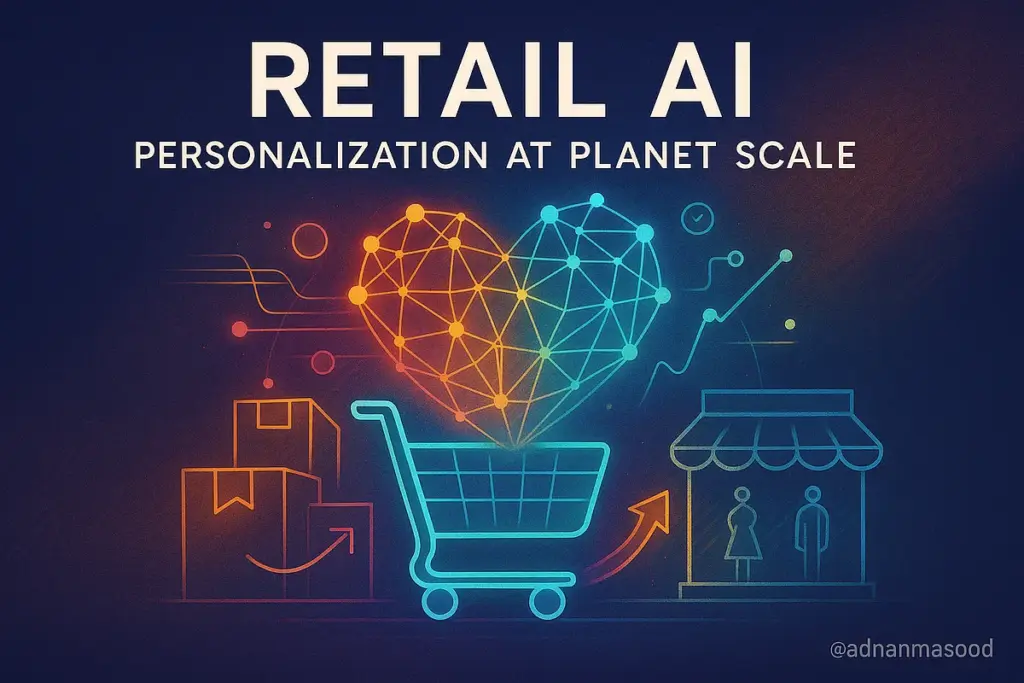
See how AI and cloud solutions transform retail operations through automation, predictive analytics, smarter inventory, and better customer experiences.
The way retail businesses run day-to-day is changing fast. Not because of a single breakthrough, but because of what happens when artificial intelligence and cloud infrastructure work together at scale. That combination, what many are now calling a cloud AI ecosystem, is reshaping how retailers manage stock, serve customers, and make decisions across their entire operation.
This is not just a technology story. It is a business story about staying competitive in a market where customer expectations keep shifting and operational complexity keeps growing.
Before getting into the mechanics, it helps to understand why so many retailers are making this shift now. The short answer is pressure from multiple directions: tighter margins, supply chain unpredictability, and customers who expect the right product, in the right place, at the right time. Cloud AI ecosystems address all three.
One of the oldest headaches in retail is getting inventory right. Too much stock ties up capital and leads to markdowns. Too little means lost sales and customers who walk away.
Modern inventory management software does something traditional systems cannot: it learns. It reads historical sales data, seasonal trends, regional demand signals, and even external factors like weather or upcoming events, then adjusts restocking recommendations automatically. The result is smarter stock positioning that happens in near real-time rather than in weekly planning meetings.
Retailers running cloud-based platforms are seeing buffer stock requirements drop while product availability improves. That is a difficult balance to achieve manually. With AI doing the heavy lifting on data processing, it becomes the default operating model.
Data has never been the problem in retail. Retailers generate enormous amounts of it, from point-of-sale transactions to loyalty programme behaviour to website traffic. The challenge has always been turning that data into something useful quickly enough to matter.
Retail analytics built on cloud AI closes that gap. Instead of reports that tell you what happened last month, predictive models tell you what is likely to happen next week. Which product categories will spike? Which locations are at risk of a stockout? Where is demand softening before it shows up in revenue figures?
These are the questions that used to take an analyst days to answer. Now the answers are available on demand, surfaced through dashboards that buying and operations teams can act on directly. The speed of insight is what changes the quality of decisions.
Manual processes are expensive and error-prone. Whether it is purchase order generation, supplier communication, or warehouse workflows, the more human intervention a process requires, the more room there is for delay and error.
Retail automation handles routine decisions without human input. Reorder triggers fire when stock dips below a defined threshold. Supply chain workflows self-adjust when a supplier flags a delay. Promotional pricing rolls out across channels without a team working through the night to coordinate it.
This does not replace retail staff. It frees them from repetitive, low-value tasks and lets them focus on judgement calls that genuinely need a human perspective. The net effect is a leaner operation that runs more consistently.
The customer-facing impact of cloud AI is just as significant as the operational one. When back-end retail operations run cleanly, the front end benefits automatically. Products are available when customers want them. Fulfilment is faster and more accurate. Out-of-stock disappointments decrease.
But AI also enables more direct improvements to the experience. Personalisation engines analyse browsing behaviour, purchase history, and preference signals to surface relevant recommendations at the right moment, whether that is on a website, in a store app, or through a loyalty communication. The interaction feels considered rather than generic.
AI-assisted service tools are maturing quickly as well. Customers can get accurate order updates, product information, and return support without waiting for a human agent, unless they want one. Response times drop, resolution rates improve, and the experience feels faster across the board.
Retail today is rarely a single-channel operation. Most businesses manage some combination of physical stores, e-commerce, marketplace listings, and wholesale accounts. Keeping visibility across all of them historically required multiple disconnected systems and a great deal of manual reconciliation.
Retail cloud solutions consolidate that view. A connected cloud AI ecosystem pulls data from every channel into a single operational picture, giving leadership teams the clarity they need to make fast, informed decisions. When a problem surfaces, whether it is a fulfilment backlog, a pricing inconsistency, or a supplier issue, it becomes visible immediately rather than after it has compounded.
That kind of cross-channel transparency is not just operationally useful. It changes how retail businesses plan, respond, and adapt over time.
The pace of development in this space is not slowing down. The gap between retailers who have adopted cloud AI ecosystems and those who have not will only widen. The compounding benefit of a system that learns from every transaction means the advantage grows the longer it is in place.
The case for cloud AI in retail is not really about the technology itself. It is about what the technology makes possible: leaner operations, more responsive supply chains, and customer experiences that feel genuinely considered. Retailers who treat this as infrastructure rather than a feature rollout tend to get the most from it. The goal is to build an operation that can learn, adapt, and improve continuously. A well-built cloud AI ecosystem is designed to do exactly that.
AI in retail refers to the application of artificial intelligence technologies, including machine learning, predictive analytics, and natural language processing, to improve how retailers manage operations, engage customers, and make business decisions. It covers areas like inventory management, demand forecasting, personalisation, and supply chain coordination.
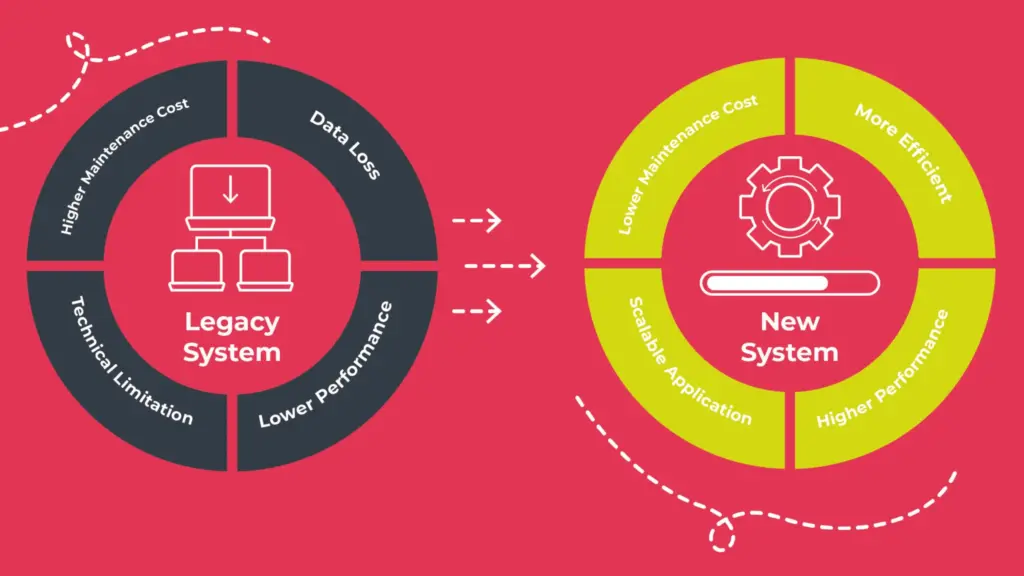
Cloud AI improves retail operations by making real-time data processing, automation, and predictive modelling accessible without requiring heavy on-premise infrastructure. Retailers can scale capabilities quickly, connect data from multiple channels into a unified view, and automate routine decisions, reducing costs and improving responsiveness.
Retail automation reduces reliance on manual processes for tasks like purchase order generation, stock replenishment, and pricing updates. This lowers error rates, speeds up workflows, cuts operational costs, and allows retail teams to focus on higher-value work. It also helps businesses respond faster to demand changes and supply disruptions.
AI enhances the customer experience by enabling personalised recommendations, faster and more accurate fulfilment, and AI-assisted service tools for order updates and returns. When back-end operations run efficiently through AI, the benefits translate directly into better product availability, faster service, and more consistent interactions for the customer.
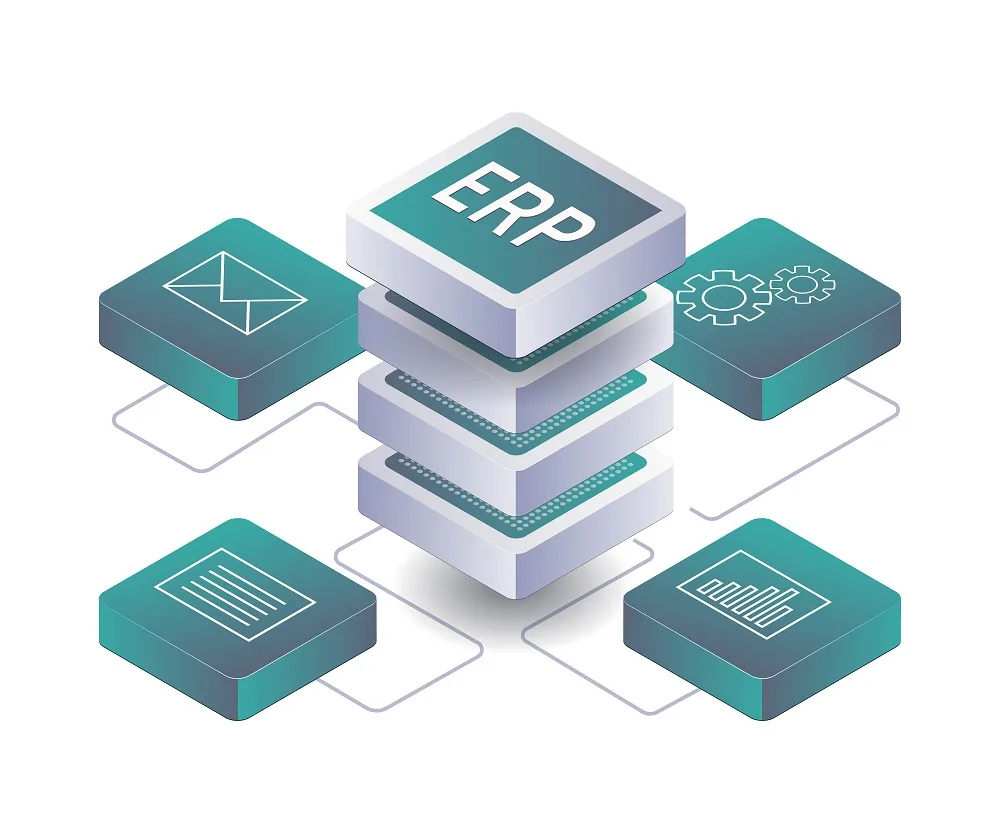
A cloud AI ecosystem is an integrated set of AI-powered tools and services hosted on cloud infrastructure that work together to support business operations. In retail, this typically includes inventory management, demand forecasting, analytics, automation, and customer engagement capabilities, all connected through a shared data environment and scalable cloud platform.