Learn how AI-powered enterprise networking improves infrastructure, automates operations, strengthens security, and supports business growth.
Not that long ago, enterprise IT meant static infrastructure, manual ticket queues, and reactive firefighting. Today, that model is being dismantled from the inside out.
AI-driven IT transformation is the integration of artificial intelligence into the core functions of enterprise technology – from network management and cloud operations to security monitoring and capacity planning. It’s not just about adding AI as a layer on top of existing systems. It’s about rearchitecting how IT operates at a fundamental level.
For B2B organisations, this shift isn’t optional. As workloads grow more distributed, data volumes surge, and business demands evolve faster than traditional IT can respond, the networks supporting those operations need a new foundation. That foundation is AI infrastructure.
Most enterprise networks were designed for a different era. On-premise servers, predictable traffic patterns, and a defined perimeter made management straightforward. That world is gone.
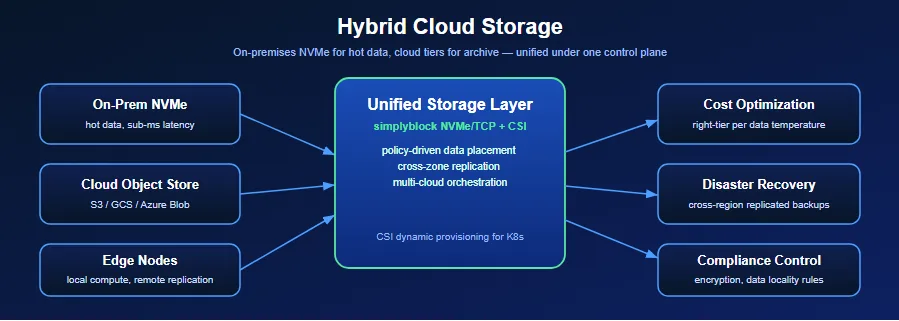
Today’s B2B environments run across hybrid and multi-cloud setups, remote endpoints, SaaS platforms, and edge locations – often simultaneously. Human teams simply can’t monitor and manage that complexity at the speed and scale required. The gap between what IT teams can handle manually and what modern networks actually demand keeps widening – and without structural change, it becomes a liability that compounds quietly over time.
The result? Bottlenecks, blind spots, and vulnerabilities that slow business down and open the door to risk.
Digital transformation has introduced incredible capability, but it’s also introduced infrastructure debt. Businesses are running more systems than their IT teams can realistically oversee with manual processes. Something has to change. And for most B2B organisations, the answer starts with rethinking digital transformation as an infrastructure-first initiative, one where intelligent systems – not headcount – absorb the operational load.
AI infrastructure isn’t a single product or platform. It’s a paradigm shift in how networks are built, monitored, and managed. Here’s where it’s having the most meaningful impact.
One of the most immediate wins from AI adoption in IT is network automation. Routine tasks – configuration updates, patch deployment, traffic rerouting, anomaly detection – can be handled autonomously by AI systems, freeing up engineers for higher-value work.
This isn’t just about efficiency. Automation reduces human error, which remains one of the leading causes of network outages and security incidents. When an AI system can detect a misconfiguration or an unusual traffic spike and respond in milliseconds, the entire network becomes more resilient. Network automation also creates audit trails that simplify compliance reporting across regulated industries.
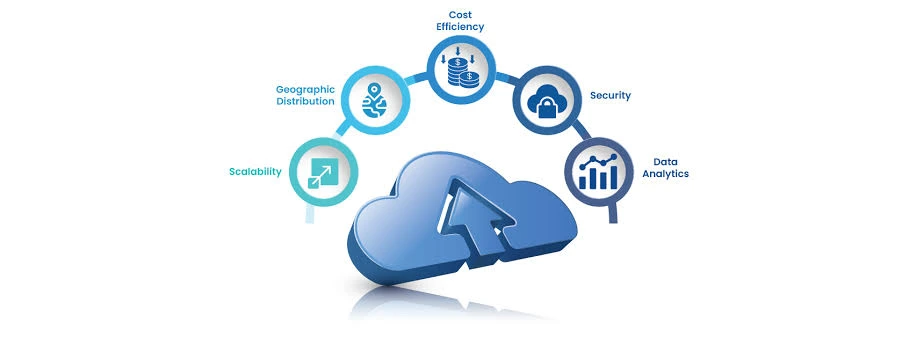
Modern cloud infrastructure powered by AI doesn’t just scale – it anticipates. Machine learning models analyse historical usage patterns, forecast demand, and adjust resource allocation before performance degrades.
For enterprise AI workloads specifically, this dynamic elasticity is critical. Training models, running inference at scale, or processing large datasets requires cloud infrastructure that can flex without manual intervention. AI-powered cloud management makes that possible while keeping costs in check.
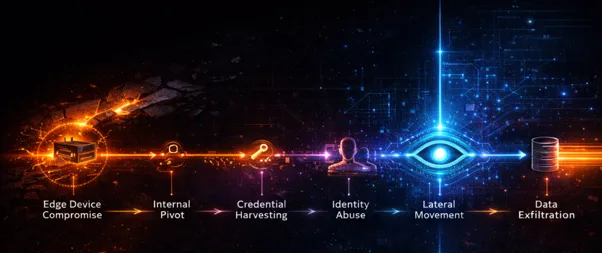
Network security is arguably where AI provides the highest-stakes value. Threat landscapes evolve continuously, and static rule-based defences can’t keep up. AI systems can analyse behaviour across millions of data points, identify anomalies in real time, and flag or neutralise threats before they escalate.
This is particularly important for B2B organisations handling sensitive client data, financial transactions, or regulated information. AI-powered network security doesn’t just respond to known threats – it learns from new attack patterns and adapts its defences accordingly.
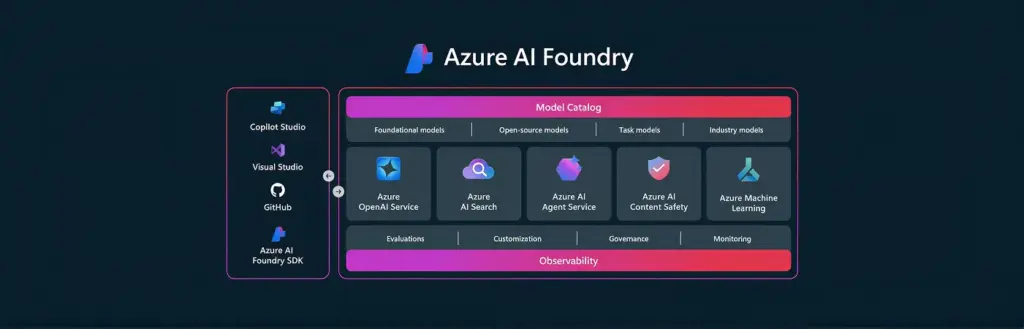
AIOps – AI for IT operations – deserves its own mention. It refers to platforms that use machine learning and big data to automate and enhance IT operations, from event correlation and root cause analysis to performance management and incident response.
In practical terms, AIOps means fewer false alarms, faster resolution times, and a cleaner signal-to-noise ratio for IT teams. Instead of wading through thousands of alerts, teams receive actionable insights correlated across their entire infrastructure stack. For organisations running complex, multi-vendor environments, AIOps is quickly becoming essential infrastructure modernisation tooling rather than a nice-to-have.
The conversation around AI in enterprise IT often gets stuck on technology. But the real argument is a business one.
Faster issue resolution means less downtime. Less downtime means less revenue impact. Automated operations mean leaner teams or teams redeployed to strategic work. Predictive infrastructure means fewer emergency spend spikes. And stronger network security means lower risk exposure across the board.
The future of AI in enterprise IT isn’t speculative. Organisations that have already adopted AI-powered networks are reporting measurable improvements in uptime, cost efficiency, and security posture. Those that delay are accumulating operational debt that will be harder to unwind as their environments grow.
Future-proofing isn’t about buying the latest hardware or chasing every trend. It’s about building infrastructure that can evolve alongside business needs without requiring a full overhaul every few years.
AI-powered networks offer exactly that. They’re designed to learn, adapt, and improve over time. As your organisation grows, as your workloads shift, as new threats emerge – your infrastructure scales and responds intelligently. The businesses that invest in this kind of adaptability now are the ones that won’t be scrambling to catch up when the next wave of disruption hits.
For B2B leaders, the message is clear: infrastructure modernisation powered by AI isn’t a back-office IT concern. It’s a strategic lever. The networks you build today will determine how quickly and reliably your business can move tomorrow.
AI-driven IT transformation refers to the integration of artificial intelligence into core IT functions – including network management, cloud operations, and security – to automate processes, reduce manual workloads, and enable infrastructure that adapts intelligently to changing business needs.
AI improves enterprise networking by enabling real-time monitoring, automated anomaly detection, predictive capacity planning, and dynamic resource allocation. This reduces downtime, improves performance, and allows IT teams to manage complex environments more effectively.
The key benefits include faster incident response, reduced human error, lower operational costs, improved network reliability, and the ability to scale operations without proportionally increasing headcount.
AIOps stands for Artificial Intelligence for IT Operations. It refers to platforms that apply machine learning and big data analytics to automate and optimise IT operations, including event correlation, root cause analysis, and incident management across complex infrastructure environments.
Businesses can future-proof their infrastructure by adopting AI-driven tools for network automation and monitoring, investing in scalable cloud infrastructure, implementing AI-powered security systems, and embracing infrastructure modernisation strategies that allow their IT environment to evolve alongside business demands.