Struggling to scale engineering output? The real problem isn’t a developer shortage – it’s a broken DevOps strategy. Here’s what’s actually holding your team.
We work with engineering-led organisations every day. And one of the most common things we hear from technology leaders goes something like this: “We just don’t have enough developers to keep up.”
We understand the frustration. Delivery timelines are slipping. Backlogs are growing. The team looks stretched thin. But after working closely with businesses across the software delivery spectrum, we’ve arrived at a conclusion that might be uncomfortable to hear:
Specifically – it’s a DevOps methodology problem.
When we dig into how engineering teams actually spend their time, the picture is almost always the same. Developers are writing code for less than half their working day. The rest is consumed by waiting – waiting on approvals, waiting for builds, waiting for someone from another team to complete a handoff.
That’s not a talent gap. That’s a system that’s working against itself.
Hiring more developers into a broken system doesn’t scale output. It scales friction.
At ProInsights360, we believe that a healthy devops life cycle should be a tight, continuous loop – from planning and development through testing, deployment, and feedback. When we audit client pipelines, we routinely find gaps between stages where work simply sits.
Code waits for review. Reviews wait for sign-off. Sign-offs wait for a Friday deployment window. These aren’t developer shortages – they’re dead zones in your workflow, and they’re costing you more than any open requisition.
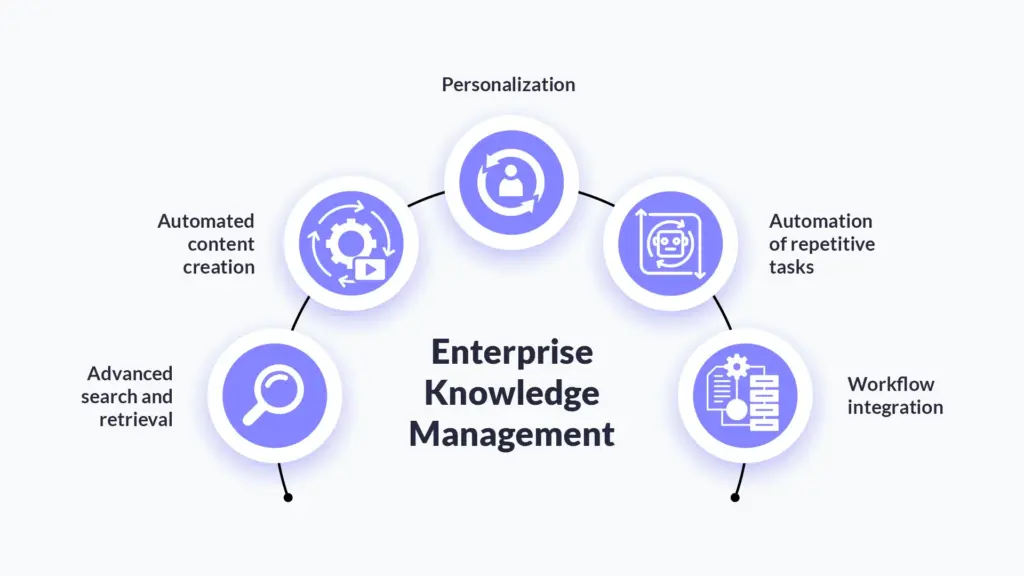
This is one we feel strongly about. Automation in DevOps is not a luxury feature for mature teams – it is the baseline that makes everything else possible. Yet we still encounter organisations where test suites are run manually, deployments require hands-on intervention, and environment provisioning takes days.
Every manual step is a tax on your most expensive resource: engineer time. And it’s entirely avoidable.
Here’s a structural issue we see often – the DevOps team is treated as a separate function, a support layer that developers “hand things off to.” That model is fundamentally at odds with what DevOps is designed to do.
DevOps exists to break down walls between development and operations, not to build a new one between them. When these groups work in silos, releases become events, not routines. Risk accumulates. Accountability blurs.
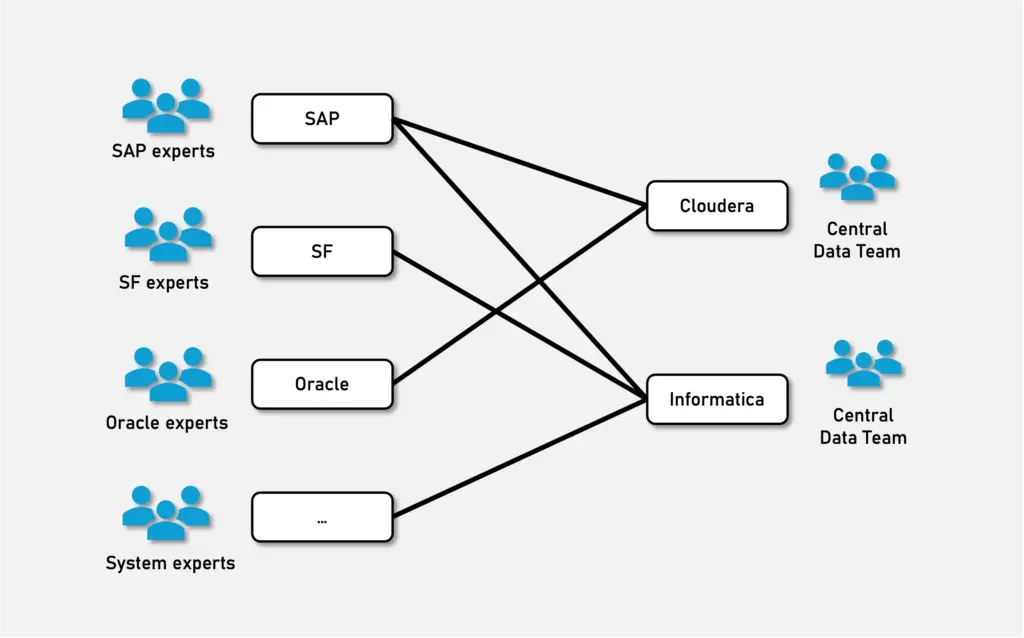
Tool sprawl is a real and underappreciated problem. When your devops platform isn’t integrated – when developers are context-switching between five different tools that don’t share data – the cognitive load alone starts to erode DevOps productivity. We’ve seen teams spending meaningful hours each week just keeping their toolchain in sync. That’s not engineering. That’s overhead.
Our approach at ProInsights360 when helping clients rethink their DevOps methodology always starts with visibility, not hiring.
You can’t fix what you can’t see. Identify exactly where work stalls, where approvals create queues, and where manual effort is hiding inside automated-looking processes.
CI/CD pipelines, automated regression testing, infrastructure-as-code – these are best DevOps practices that compound in value over time. Start with wherever manual effort is most frequent.
Shared context and shared goals produce shared accountability. This single structural change can dramatically reduce release friction.
Consolidate tools where possible. Fewer, better-integrated devops technologies almost always outperform broader, fragmented toolchains.
Deployment frequency, lead time for changes, and mean time to recovery are the metrics that reflect real DevOps productivity – not story points or sprint velocity.
The organisations we see shipping the fastest aren’t the ones with the largest engineering teams. They’re the ones with the clearest processes, the strongest automation in DevOps, and a devops platform built for flow rather than control.
The talent market is competitive – we won’t pretend otherwise. But in our experience, the capacity most organisations need already exists within their current teams. It’s just buried under process debt, tool fragmentation, and structure that was never designed for speed.
Fix the system. The output will follow.
Track where time is actually lost across your devops life cycle – from code commit to production deployment. If manual handoffs, approval queues, or environment issues account for a significant share of cycle time, strategy is the issue, not staffing.
From our experience, the best DevOps practices with the fastest ROI are automated CI/CD pipelines, shift-left testing, infrastructure-as-code, and eliminating manual release gates. These unlock compounding efficiency gains over time.
Automation in DevOps removes repetitive, low-value tasks from your engineers’ workday – build checks, test runs, environment setup – and redirects that capacity toward high-impact development work, directly improving DevOps productivity.
We advise clients to prioritise a devops platform that integrates natively with their existing toolchain, provides end-to-end pipeline visibility, and minimises context-switching. Consolidation almost always delivers more value than adding new capabilities on top of a fragmented stack.
Yes – provided that automation in DevOps is mature and devops technologies are well-integrated. We’ve seen small, well-structured teams consistently outperform larger, siloed ones because their feedback loops are tighter and their systems require far less manual intervention.