Legacy systems are draining your budget, talent, and agility – silently. Here’s what your board isn’t seeing and why it needs to change now.
Every quarter, your board reviews revenue, margins, and headcount. What rarely makes it into that conversation is the slow, compounding drain sitting inside your IT infrastructure – one that doesn’t show up as a line item but is quietly reshaping your ability to compete.
Legacy systems cost businesses far more than what’s visible on the surface. And in 2026, the gap between what leadership sees and what’s actually happening inside enterprise tech stacks has never been wider.
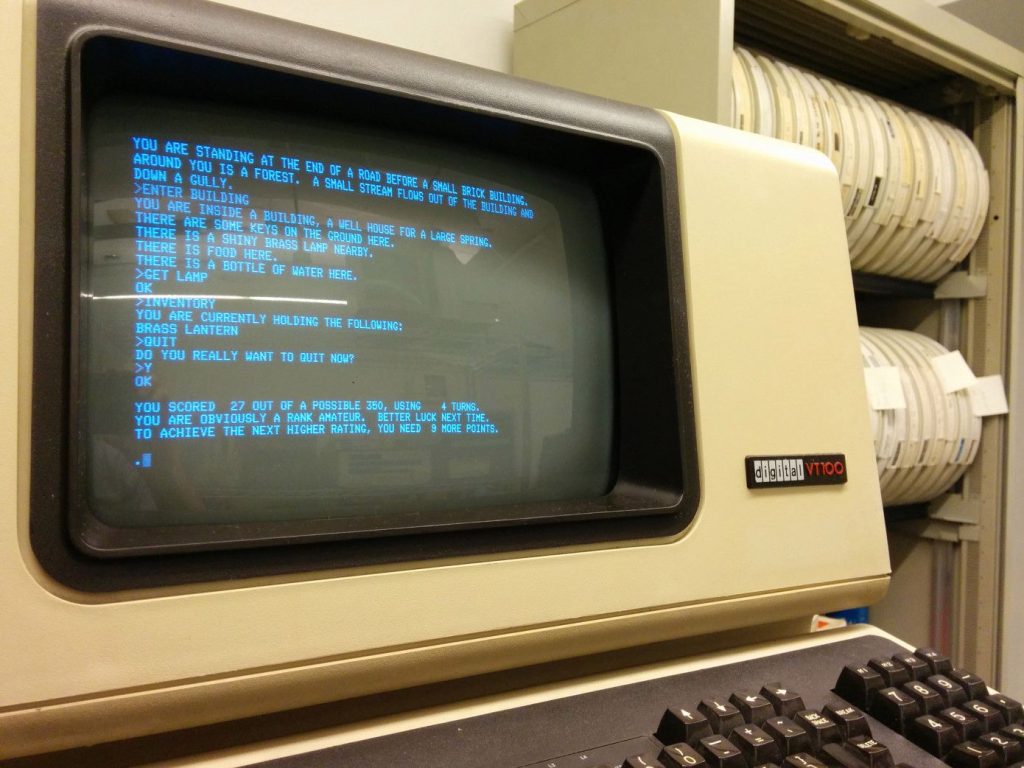
Before addressing the cost, it’s worth being precise. To define legacy software – it’s any system that is difficult to integrate with modern tools, requires specialized knowledge to maintain, slows deployment cycles, or hasn’t been updated to support current business demands. That could be a CRM from 2015, a heavily customized ERP, or an in-house data pipeline that only two people understand.
A legacy operating system running core business functions isn’t just an IT inconvenience – it’s a strategic liability.
The reason this rarely surfaces in board discussions comes down to how IT budgets are structured. Maintenance costs are categorized as operational expenses – routine, expected, unremarkable. They just keep renewing without triggering alarms.
What boards see is a stable IT spend. What they’re not seeing is how much of that spend is defensive rather than generative. A company allocating 70% of its IT budget to maintaining old systems and 30% to innovation is in a fundamentally different position than one that has flipped that ratio.
Unless a CTO actively surfaces this breakdown, leadership remains unaware – and most IT leaders, already under pressure to keep systems running, don’t have the runway to make this case clearly.
There’s a dimension of legacy system migration that finance teams almost never model: talent attrition.
Strong engineers don’t want to spend their careers maintaining outdated architecture. When your stack is old, you struggle to attract technical talent – and the people you do have start looking elsewhere. When they leave, institutional knowledge walks out with them.
This creates a compounding problem. You’re spending more to hire, onboarding new people onto undocumented systems, and increasing dependency on the few who still understand how everything fits together. That’s not a talent problem – that’s a business risk.
Legacy modernization is often framed as a cost. That framing is both accurate and incomplete.
What legacy modernization services actually deliver is organizational velocity. When your systems are interoperable, data flows freely across functions. When your architecture is current, deployment cycles shrink from months to weeks. Decision-makers get better visibility, finance gets real-time reporting, and sales operates on accurate pipeline data.
These are not IT outcomes – they are business outcomes. And they’re being held hostage by infrastructure decisions made a decade ago.
Legacy application modernization strategies start with the right questions. Begin here.
The answers will tell you more about your exposure than any vendor assessment will.
Legacy system migration is never a comfortable conversation – but it’s a necessary one. The maintenance keeps running. The talent keeps leaving. The integrations keep failing. Every quarter without a clear legacy modernization roadmap is a quarter where the gap between your infrastructure and your ambitions widens.
Boards that ask these questions now will have options. The ones that don’t will eventually be forced to act – from urgency rather than strategy.
Any system that cannot integrate with modern tools, depends on outdated expertise, or limits business agility qualifies – regardless of age. Heavily customized ERPs and siloed databases are common examples.
Complexity, risk aversion, and lack of documentation make legacy system migration challenging. Most organizations underestimate interdependencies between systems, which leads to scope creep and delays.
The most effective legacy application modernization strategies include phased migration, containerization, API wrapping, and replatforming – all prioritized by business criticality rather than technical convenience.
Legacy modernization services bring structured frameworks, migration expertise, and risk management protocols that most internal IT teams aren’t resourced to execute alone.
When maintenance consumes the majority of the IT budget, talent attrition rises in technical roles, or integration failures begin impacting customer experience – those are board-level signals.