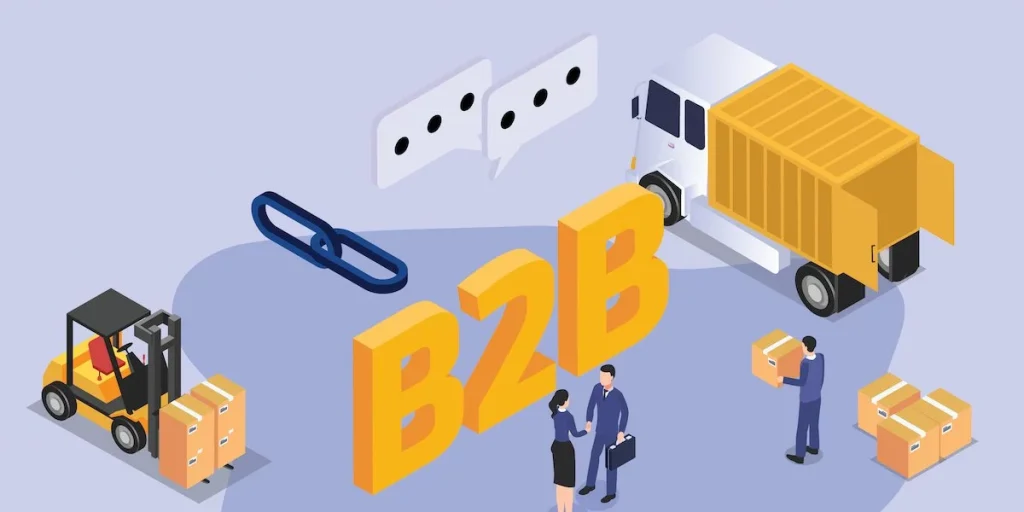
B2B delivery scheduling platforms are gaining traction as companies address fulfillment complexity and coordination challenges.
Delivery and appointment scheduling platforms are becoming a critical layer in B2B supply chains as companies face growing complexity in fulfillment operations. Industry data shows the market is expected to expand steadily over the next decade, driven less by optional upgrades and more by operational necessity.
As digital B2B commerce continues to scale, the challenge has shifted from order processing to execution. Managing delivery windows now requires coordination across dock capacity, labor availability, carrier schedules, and customer-specific requirements. Scheduling platforms are increasingly being used to align these moving parts, helping reduce congestion, improve throughput, and maintain service levels.
Adoption is being driven by the need for predictable delivery experiences and tighter integration with logistics systems. Platforms are now connecting with warehouse management, transportation, and visibility tools to provide real-time updates and improve planning accuracy. Cloud-based solutions are leading adoption, as they allow coordination across multiple partners and locations.
However, challenges remain. Fragmented workflows, inconsistent partner data, and integration complexity can limit the effectiveness of these systems. Without alignment across order management, transportation, and warehouse operations, even advanced platforms may fall short of delivering expected results.
Vendors are responding by expanding capabilities beyond basic appointment booking toward full logistics orchestration. Companies such as SAP and Oracle are embedding scheduling into broader supply chain platforms, while others focus on visibility and event-driven coordination.
As fulfillment networks become more distributed, scheduling is expected to evolve into a central coordination layer. The ability to synchronize delivery timing across multiple stakeholders is increasingly seen as a key factor in operational efficiency and customer satisfaction.