B2B fintech is reshaping how enterprises handle payments, cash flow, and operations. Here’s why leaders are betting big on fintech solutions right now.
Picture this – it’s end of month. Your finance team is buried. Someone’s chasing a vendor for an invoice that was supposedly sent two weeks ago. Another person is manually cross-checking payment entries in a spreadsheet that was last “properly updated” sometime in Q2. And the CFO is asking for a cash flow update that nobody can pull together quickly because the numbers live in three different systems.
Sound familiar? Yeah. It does for a lot of enterprises.
This is precisely the kind of pain that B2B fintech solutions were built to fix. Not the slick, consumer-facing apps that get the TechCrunch headlines – but the serious, behind-the-scenes infrastructure that quietly transforms how enterprises move money, manage vendors, and keep their financial operations from becoming a full-time fire drill.
Consumer payments got fixed years ago. You tap your phone, money moves, done. Clean, fast, almost magical.
B2B payments? Still living in a different era for a lot of companies.
We’re talking multi-currency transactions, bulk invoice cycles, weeks-long payment terms, cross-border compliance requirements, and approval chains that involve half the company before a single dollar moves. Legacy banking infrastructure wasn’t designed to handle any of this gracefully – and the cracks show up every single month in the form of delayed payments, reconciliation errors, and strained supplier relationships.
That’s exactly the gap that modern digital payment platforms are stepping into. And enterprises are starting to notice in a big way.
Fair question. Enterprises have been slow adopters historically. And honestly, there were reasons – security concerns, integration complexity, regulatory caution. The hesitation made sense.
But things have changed.
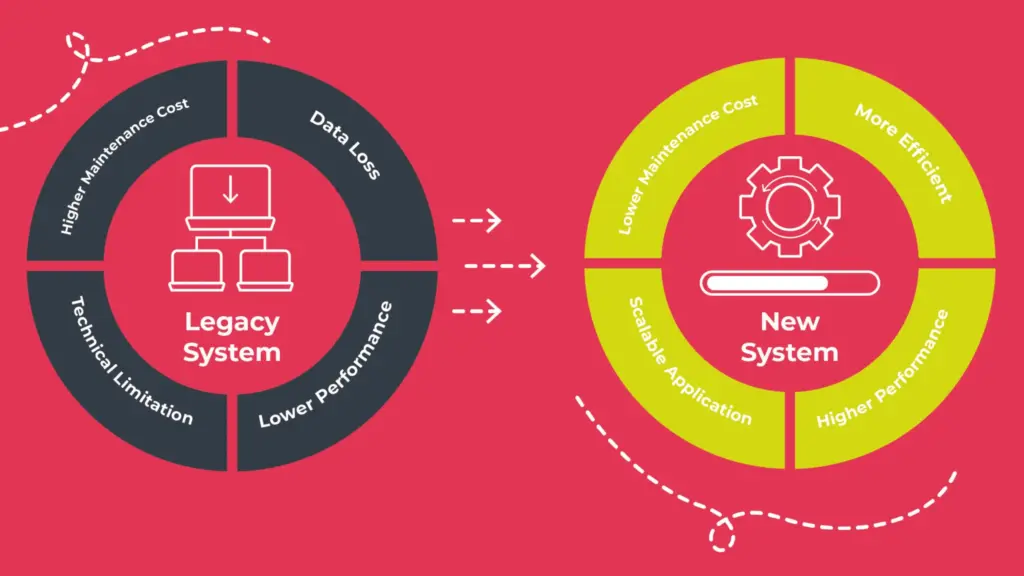
Today’s fintech payment solutions aren’t scrappy startup tools anymore. They come with enterprise-grade security, full audit trails, API-first architecture, and compliance frameworks that actually hold up under scrutiny. The “we’ll stick with the bank wire process” argument is getting harder to make when the alternative is faster, cheaper, and measurably more accurate.
And then there’s the cost reality check. Manual financial workflows don’t just create frustration – they burn money. Labor costs, processing delays, late payment penalties, errors that take days to trace and fix. When you actually sit down and calculate how fintech automation improves business operations, the numbers tend to make the decision pretty straightforward.
Here’s the part that’s genuinely exciting from an enterprise standpoint.
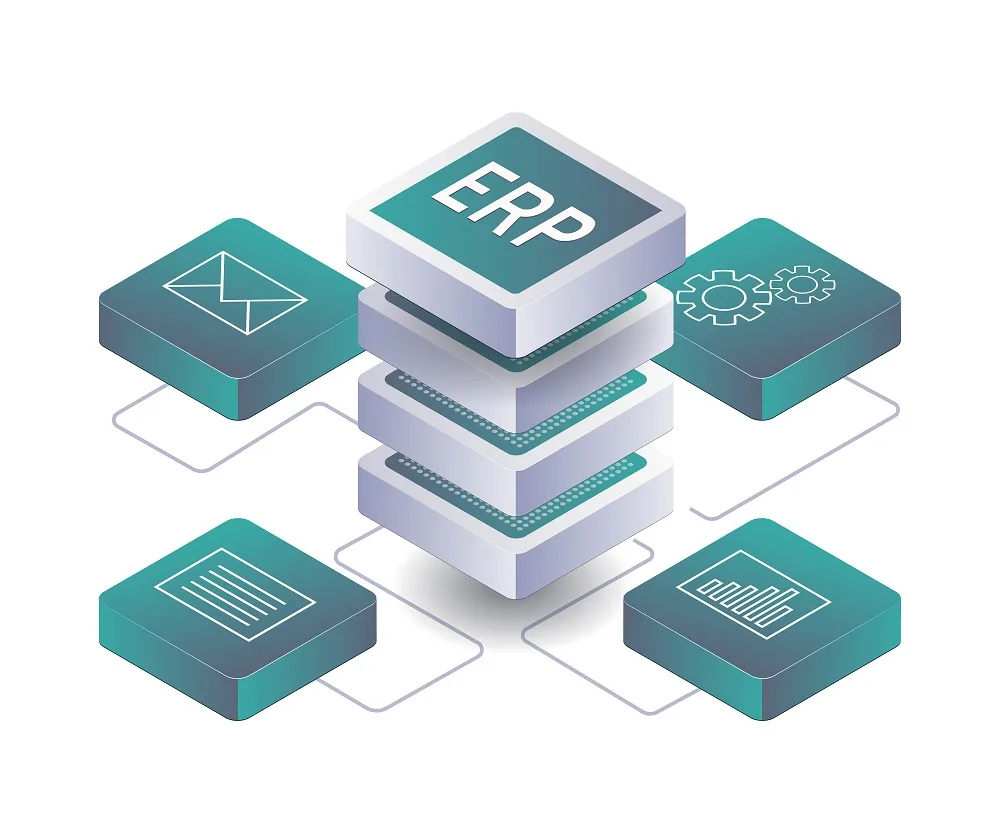
Embedded finance companies are essentially weaving financial services directly into the platforms your teams already use every day. Your ERP. Your procurement software. Your supplier management portal. Instead of jumping between systems to handle payments, approvals, and financing – it all just lives where the work already happens.
Think about a procurement team that can offer a supplier an early payment option directly through the purchasing platform, without looping in the treasury team or a bank intermediary. Settlement happens in real time. Both sides win. No emails, no calls, no waiting.
That’s what embedded finance solutions look like in practice. And for enterprises managing complex supplier networks, it’s not a nice-to-have – it’s quickly becoming a competitive differentiator.
Here’s the thing though – none of this works if it’s just another isolated tool added to an already cluttered tech stack.
Real transformation happens when enterprise resource planning integration is done properly. When your payment platform talks directly to your ERP, everything downstream becomes automatic. Payments trigger the right accounting entries. Invoices reconcile without a human in the loop. Cash positions update in real time rather than at the end of a painful month-close process.
The best online payment processing platforms on the market today are built with exactly this in mind – deep, clean integrations with SAP, Oracle, Microsoft Dynamics, and others. Because finance leaders don’t just want faster payments. They want one accurate, unified view of where their money is at all times.
If you’re sitting in a CFO, CTO, or COO seat – here’s the honest version of what this means for you.
B2B fintech solutions have crossed the line from “interesting to watch” to “actively widening the gap between businesses that adopt and those that don’t.” The companies embracing this shift are onboarding vendors faster, settling invoices in days instead of weeks, and giving their finance teams room to think strategically rather than spend their days doing manual reconciliation.
The ones waiting for the “perfect time” to modernize are essentially paying for their own inefficiency – slowly, quietly, every single month.
The way enterprises handle money is changing – and it’s not going back. Digital payment platforms, embedded finance solutions, and proper enterprise resource planning integration have gone from cutting-edge to table stakes surprisingly fast. The ROI is real, the technology is mature, and the business case practically makes itself.
If your financial operations still feel like they’re held together with spreadsheets and follow-up emails, it’s not a process problem anymore. It’s a fintech adoption problem. And the good news? That one’s got a pretty clear solution.
For more resources, go visit our library of extensive white-papers
B2B fintech solutions are financial tools built specifically for business operations – covering everything from payments and invoicing to lending and treasury management. Unlike consumer fintech, they’re designed for high transaction volumes, multi-step approval workflows, and enterprise compliance needs that consumer apps simply aren’t built for.
Digital payment platforms cut out the manual steps in invoicing, collections, and reconciliation – which means fewer delays, fewer errors, and real-time visibility into cash positions. For enterprises, that kind of speed and accuracy directly translates to stronger working capital management.
Embedded finance companies integrate financial services – payments, credit lines, insurance, and more – directly into the business tools enterprises already use. Instead of managing separate banking relationships and portals, financial capabilities just live inside your existing workflows, making everything faster and far less fragmented.
Without solid enterprise resource planning integration, fintech tools become another data silo. Proper integration means payment data, invoice records, and cash flow figures flow automatically between systems – giving finance teams a single, reliable picture without anyone having to manually stitch it together.
Understanding how fintech automation improves business operations is simpler than it sounds – it removes humans from the repetitive parts. Payment processing, reconciliation, compliance checks, reporting – all handled automatically. That frees up your finance team to focus on the work that actually requires human judgment, rather than spending their week chasing down transaction confirmations.