Explore how community cloud helps financial institutions strengthen regulatory compliance, protect sensitive data, and improve shared cloud security.
Every bank in a consortium answers to the same regulators, yet most still build their own compliance stack from scratch. That’s expensive, slow, and a little absurd. When a group of institutions faces identical audit demands, why would each one reinvent the controls? This is where community cloud computing earns its place. It gives regulated peers a shared, governed environment where collaborative compliance stops being a slogan and becomes an operating model.
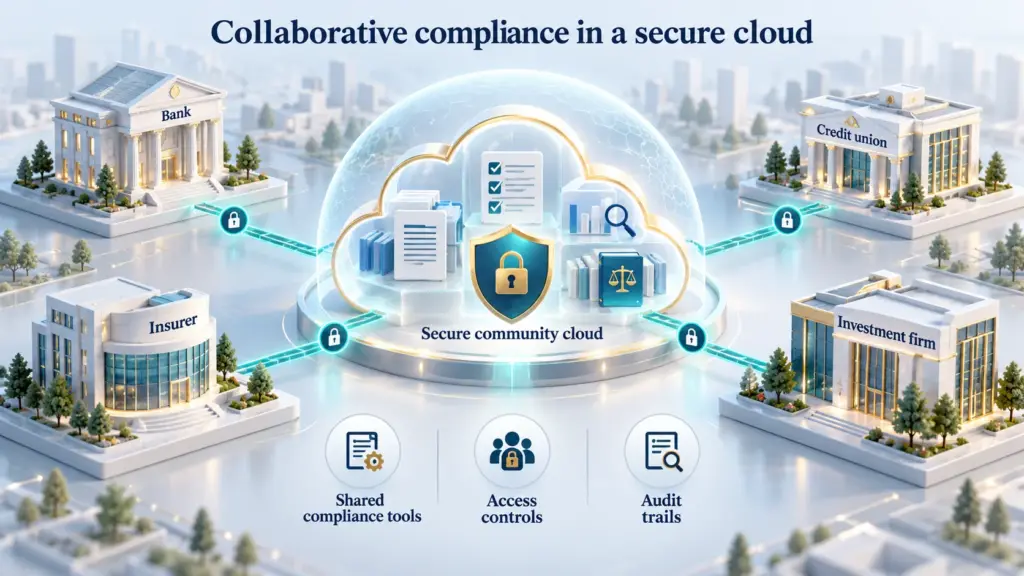
A community cloud is infrastructure shared by a defined group of organizations with common requirements: similar regulations, similar risk tolerance, similar data sensitivity. It sits between the private and public models. You get the cost sharing of a public cloud and much of the control of a private one. Picture a group of regional banks, insurers, and payment processors pooling resources under one governance charter. The platform can be hosted by one member, by a trusted third party, or by a mix of both.
A sound community cloud architecture starts with tenant isolation. Each member gets its own logical boundary, so one institution’s workloads never touch another’s. Above that sits a shared control plane that enforces common policies for identity, logging, and network segmentation. Members agree on a baseline, then layer their own rules on top. Shared services such as fraud analytics, reporting pipelines, and audit tooling run once and serve everyone. The result is consistency without forcing every member into the same mold.
Community cloud for financial services works because the sector’s pain points are so uniform. Basel frameworks, PCI DSS, SOX, and regional data residency rules apply to every member in the group. Instead of ten teams interpreting the same requirement ten different ways, one team does the interpretation and everyone benefits. Smaller institutions gain the most. They get enterprise-grade controls without enterprise-grade budgets. Larger members gain too, since shared tooling cuts duplicated spend and shortens audit cycles.
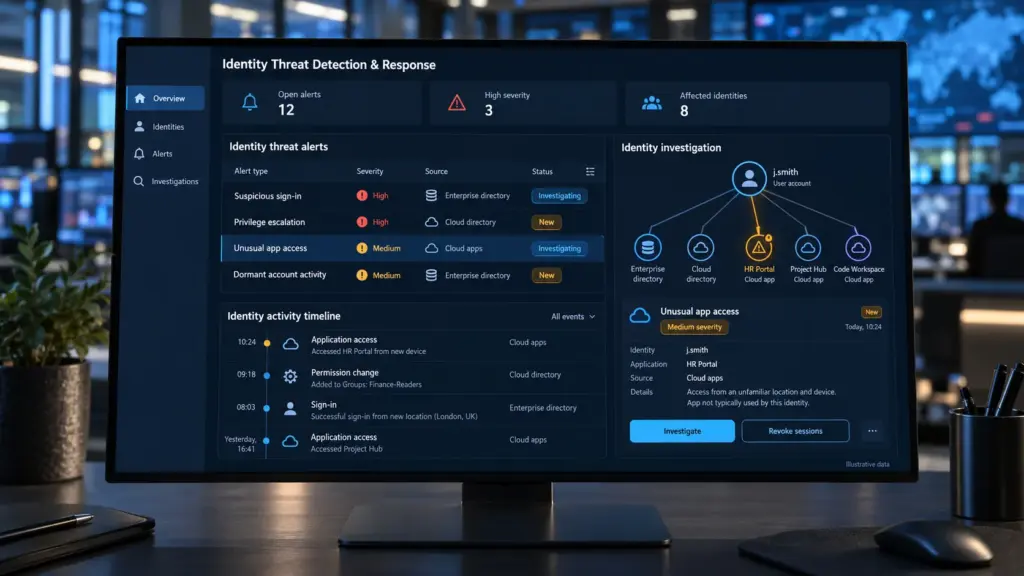
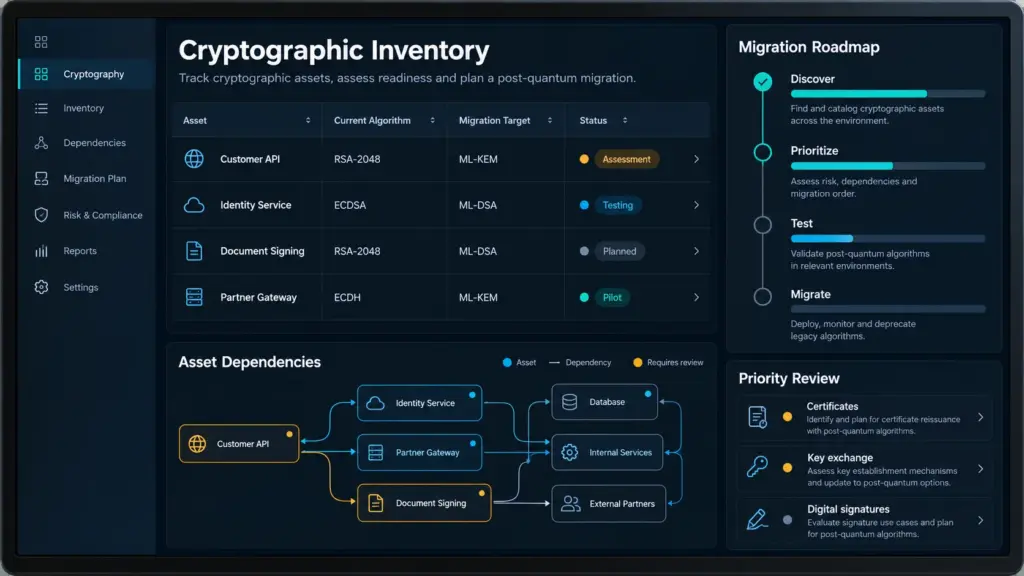
Regulators care about evidence. They want to see who accessed what, when, and under which policy. Understanding how community cloud supports regulatory compliance comes down to three things: standardized controls, shared evidence, and continuous monitoring. Controls are mapped once to each framework and reused across members. Evidence is collected automatically and stored in a common repository. Monitoring flags drift early, before an examiner does. That’s cloud compliance that scales, not a spreadsheet exercise repeated every quarter. Joint audits become possible too. One assessment can cover many members, which saves everyone weeks of effort.
Shared infrastructure raises a fair question. How do you protect customer records when peers sit next door? The answer is layered. Financial data security depends on strong tenant isolation, least-privilege access, and continuous threat detection. Equally important is encryption and key management. Each member should hold its own keys, ideally in hardware security modules, so that even the platform operator can’t read member data. Rotation schedules, escrow policies, and clear revocation steps belong in the governance charter, not in someone’s memory. Mature cloud security for financial services also assumes breach. That means segmentation, immutable logs, and incident playbooks that have actually been tested.
Technology alone won’t hold a consortium together. Governance will. Financial data governance defines who owns which data sets, how data is classified, how long it’s retained, and what can cross member boundaries. Set up a steering committee with people from risk, legal, security, and IT. Give it the authority to approve changes, resolve disputes, and manage exit terms. Without that structure, even the best-designed platform drifts into politics.
The upside is clear: shared costs, faster audits, stronger security baselines, and a pooled talent base. The trade-offs deserve honesty too. Consortium decisions take longer than solo ones. Members with different risk appetites may disagree on baselines. Exit planning matters, because leaving a shared platform is harder than leaving a vendor contract. Address these upfront in the charter, and most of them stay manageable. Clear exit terms and escalation paths help members trust the arrangement from day one.
Begin small. Pick one workload, such as regulatory reporting or KYC data sharing, and prove the model there. Document the control mappings, agree on key ownership, write down your financial data governance rules, and run a joint tabletop exercise before onboarding more members. Invite your internal audit and legal teams early, since their questions shape the charter far better than late objections ever will. Treat collaborative compliance as a program with owners and metrics, not a one-time project. Then expand in stages as trust and tooling mature. The consortiums that win here won’t be the ones with the biggest budgets. They’ll be the ones that agreed on the rules early and kept them honest.
Community cloud computing is a shared cloud model built for a group of organizations with common security, compliance, and performance needs. Think of it as a middle path between private and public clouds, governed jointly by its members and funded together.
In a well-built community cloud architecture, members share infrastructure under a common governance charter. Each gets an isolated tenant, while a shared control plane enforces baseline policies for identity, logging, and encryption. Costs and tooling are split across the group, and each member still controls its own data.
Lower costs, faster audits, stronger shared security baselines, and access to expertise that smaller institutions struggle to hire alone. Solid cloud security for financial services becomes affordable for every member, and duplicated effort drops when everyone faces the same regulations.
It turns cloud compliance into a shared job instead of a solo burden. It standardizes controls across members, centralizes audit evidence, and monitors for drift continuously. Joint assessments let one review cover many institutions, which shortens preparation time and keeps interpretations consistent.
Yes, when it’s designed well. Strong financial data security here rests on layers. Tenant isolation, member-held encryption keys, least-privilege access, and tested incident playbooks give regulated institutions a strong security posture. Governance matters as much as technology here.