Explore how enterprises navigate the evolving cloud partnership landscape. Learn strategies for multi-cloud adoption, digital transformation, and maximizing mega-deal value.
Three-hundred billion dollars. That’s the scale of cloud commitments enterprises are making in 2026. These aren’t ordinary IT purchases. They’re multi-year, multi-billion-dollar cloud partnerships that reshape how organizations operate, innovate, and compete.
Ten years ago, moving to the cloud was about cost savings and infrastructure efficiency. Today, it’s about survival. And the stakes have gotten massive.
The sheer size of these mega-deals reflects a fundamental shift in how enterprises think about cloud computing. It’s not “let’s move some workloads to the cloud.” It’s “cloud is our fundamental operating model, and we need partnerships to make that work.” These deals tie enterprises into cloud services ecosystems for a decade or more, with implications that ripple through every part of the business.
But here’s what gets missed in all the headline numbers: just signing a massive cloud partnership doesn’t guarantee success. The enterprises winning are the ones asking harder questions: Which cloud services actually drive our business? How do we avoid vendor lock-in while committing at scale? What does a real enterprise cloud strategy look like when the stakes are this high?
Those questions matter more than the contract size.
For most enterprises, digital transformation used to mean moving servers to a data center. Now it means reimagining everything-applications, data architecture, team structure, business processes-around cloud-native capabilities.
That’s why the cloud ecosystem has exploded. You’ve got hyperscale cloud providers (the big three dominators), specialized cloud providers for specific workloads, managed service partners, systems integrators, and a sprawl of point solutions all claiming to help you move faster. For an enterprise trying to execute digital transformation, it can feel like navigation without a map.
The strategic partnerships that work are the ones that acknowledge this complexity. They’re not just about infrastructure. They’re about having someone on your team who understands your business context, your legacy systems, your talent constraints, and what transformation actually looks like in practice-not in a PowerPoint deck.
Consider what real cloud transformation looks like: A financial services firm doesn’t just migrate databases to cloud services. They’re re-platforming their core systems, modernizing their data architecture for real-time analytics, rebuilding their security posture around zero-trust principles, and upskilling their teams to operate in a cloud-first world. That’s not infrastructure; that’s organizational change. Mega-deals that miss that dimension tend to stall.
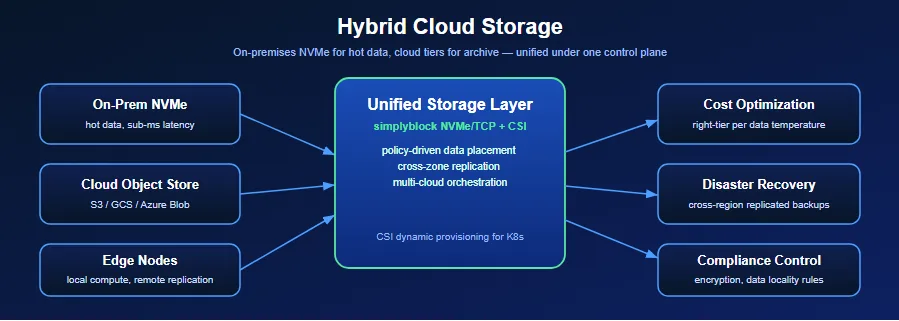
Here’s the thing: most enterprises end up in multi-cloud territory, whether they plan for it or not. Your enterprise cloud strategy might start with a single cloud provider, but then a critical application runs better on a competitor’s platform. Your development team falls in love with specific capabilities from a third provider. Regulatory requirements force you into a separate region or provider. Before you know it, you’re managing workloads across multiple cloud environments.
A mature multi-cloud strategy isn’t a consolation prize-it’s a deliberate architecture decision. The right strategic partnerships help you navigate that complexity: unified management, consistent security policies, cost optimization across providers, and the ability to move workloads if terms or capabilities change.
The enterprises that got this right in 2026 are the ones that negotiated flexibility into their mega-deals. They lock in pricing and commitment levels, but they structure agreements to allow multi-cloud freedom. That’s the real power move-scale commitment with architectural flexibility.
There’s a real risk in these billion-dollar cloud partnerships: you can end up committed to a cloud services strategy that made sense when you signed the deal but becomes increasingly misaligned as your business evolves.
This happens because mega-deals are often negotiated at the C-suite level. Executives lock in pricing and volume commitments based on a three-year plan that becomes outdated in six months. Meanwhile, the technical teams executing cloud transformation realize the strategy wasn’t flexible enough for reality.
The best cloud partnerships build in regular strategic review cycles. Every quarter or semi-annually, you’re reassessing: Are we using what we committed to? Are there cloud services we’re not leveraging? Do we need to shift workloads based on performance or cost? Can we renegotiate commitments based on actual usage patterns?
That agility is what separates a successful enterprise cloud strategy from an expensive contract you’re stuck with.
Don’t underestimate the partnership piece. The provider matters, absolutely. But who’s sitting in the room helping you architect your cloud future? Who’s ensuring your teams get trained? Who’s optimizing your costs and preventing cloud sprawl? Who’s actually accountable to your business outcomes, not just to selling more cloud services?
The enterprises getting the most value from billion-dollar cloud partnerships have embedded partners who act like extensions of their own teams. They’re not just vendors checking boxes; they’re architects, advisors, and accountability partners. When something isn’t working-whether it’s technical, organizational, or financial-they’re invested in fixing it.
That’s expensive. It should be. It’s also how digital transformation actually succeeds at scale.
The next wave of cloud deals won’t be about who can offer the lowest per-gigabyte cost. They’ll be about who can credibly help enterprises navigate digital transformation, manage multi-cloud complexity, and prove that massive cloud computing commitments drive measurable business value.
If you’re evaluating a cloud partnership at the mega-deal scale, the decision framework should be simple:
Get those questions right, and a $300 billion cloud services market becomes an opportunity rather than a purchasing exercise.
Cloud partnerships are agreements between enterprises and cloud providers (or providers and integrators) that define how infrastructure, services, and capabilities are accessed, managed, and optimized. They range from vendor relationships to full-scale strategic alliances that span multiple years and business functions. The best partnerships align with long-term business objectives, not just IT procurement.
Enterprise-scale cloud adoption is complex-it involves legacy system integration, organizational change, cost management, security, compliance, and ongoing optimization. Strong partnerships provide not just infrastructure but expertise, accountability, and a team invested in your success. Without strong partnerships, mega-scale cloud initiatives tend to underdeliver.
A cloud strategy is your organization’s deliberate approach to moving workloads, data, and applications to cloud environments. It covers which cloud services to adopt, how to manage multiple providers, how to modernize applications, how to upskill teams, and how to govern cost and security. A good strategy is specific to your business, flexible enough to evolve, and realistic about timelines and effort.
Multi-cloud reduces vendor lock-in, lets you choose the best cloud services for specific workloads, improves resilience (no single provider outage takes you down), supports regulatory requirements, and gives you negotiating leverage. The downside is increased complexity-which is why strategic partnerships matter even more in a multi-cloud environment.
Digital transformation means more than infrastructure-it includes reimagining applications, data architecture, security posture, and team capabilities. The right cloud partners bring domain expertise, implementation experience, and accountability for business outcomes. They help you navigate the non-technical dimensions of change: organizational readiness, skills gaps, process redesign, and sustained execution.