Discover how machine learning transforms ABM with dynamic buyer personas, intent data analysis, and AI-powered personalization for B2B marketing.
The era of one-size-fits-all marketing is officially over. Account-based marketing has evolved, and the catalyst? Machine learning in marketing. What started as a conversation about targeting high-value accounts has transformed into a data-driven discipline powered by AI, predictive algorithms, and real-time behavioral insights.
Today’s B2B marketing teams face a reality check: static buyer personas built on quarterly surveys and anecdotal feedback simply don’t cut it anymore. Markets move faster. Buyer priorities shift overnight. Competitive landscapes reshape within weeks. And if your marketing strategy is built on personas that haven’t been refreshed in eighteen months, you’re already losing deals to competitors who understand their prospects better.
This is where intent data becomes your competitive edge.
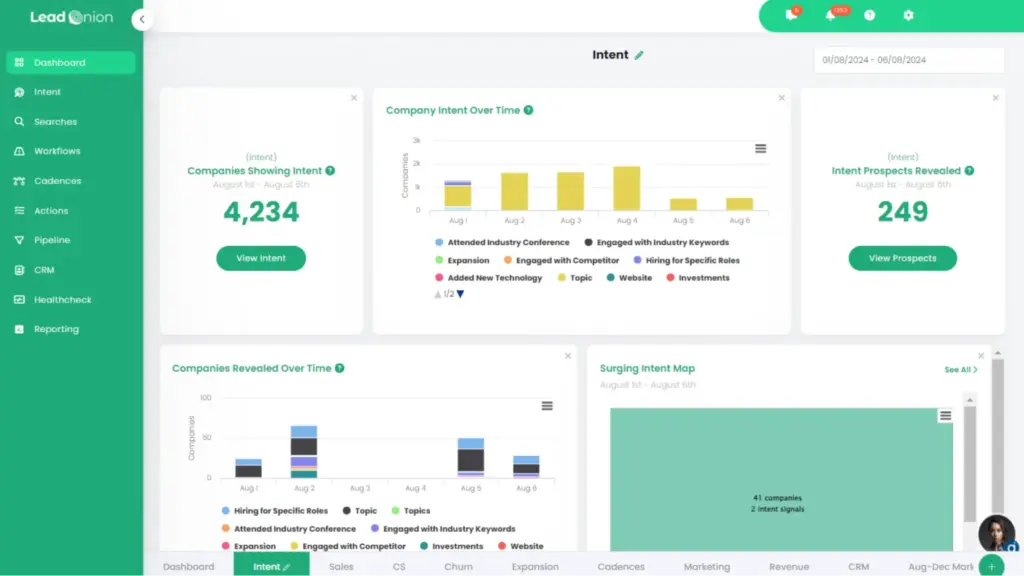
Intent signals-the digital breadcrumbs your prospects leave across the web-reveal what accounts are actually searching for, which competitors they’re evaluating, which pain points they’re prioritizing, and when they’re ready to buy. But here’s the catch: manually tracking intent data across thousands of prospects is impossible. This is why leading B2B marketing teams are leaning into machine learning to transform how they identify, score, and engage high-intent accounts.
The shift from traditional account-based marketing to an intelligence-driven approach isn’t just an upgrade. It’s a fundamental rethinking of how you understand your market.
Machine learning in marketing does something traditional tools can’t: it learns from patterns in real-time and adapts to new information instantly. While your team sleeps, ML algorithms are analyzing thousands of data points-website visits, content downloads, LinkedIn activity, email engagement, competitive intelligence-to identify which accounts are most likely to convert and why.
Here’s what’s changed:
Intent data tells you when an account is ready to buy. It captures the moment a prospect starts actively researching solutions in your category. This is invaluable for B2B marketing because the traditional sales cycle is long, and most prospects won’t respond to outreach unless they’re actively looking.
Machine learning algorithms identify patterns in intent signals that humans would miss. They recognize that a prospect downloading a “vendor comparison guide” combined with viewing pricing pages and joining a competitor’s webinar signals high purchase intent. Traditional tools might see these as three separate interactions. ML sees the story.
Lead scoring has always been important in B2B marketing, but it’s been notoriously inaccurate. Sales teams complained that marketing-qualified leads didn’t actually convert. Marketing teams felt blindsided when high-scoring leads went cold.
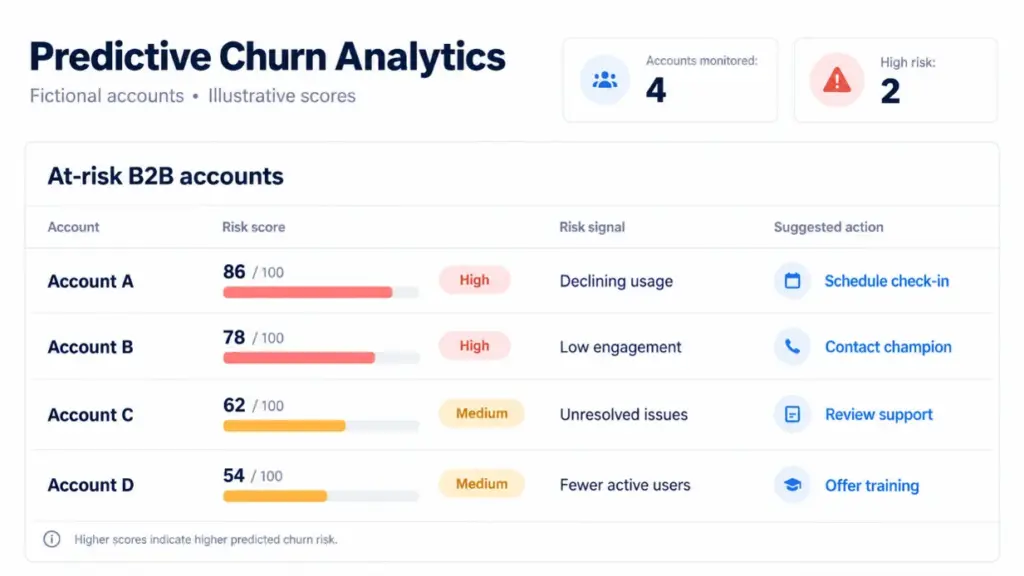
Predictive analytics changes this dynamic. By analyzing historical data on which leads converted and which didn’t, machine learning models can predict which current prospects are most likely to buy with remarkable accuracy. Predictive analytics for ABM factors in company size, industry, engagement depth, intent signals, and competitive context all at once.
The result? Your sales team spends time on accounts that are actually ready to talk.
One of the biggest promises of machine learning in marketing is the ability to personalize at scale. When you’re running a B2B campaign targeting fifty accounts, personalization is manageable. When you’re targeting five hundred, it becomes a bottleneck.
ML-powered marketing automation solutions generate personalized content, subject lines, and messaging recommendations for each account based on their unique profile, industry, recent news, and behavioral signals. This isn’t cookie-cutter personalization. It’s intelligent adaptation based on who they actually are.
Lead scoring and intent data combine to create a new foundation for B2B marketing strategy. You’re no longer guessing which industries to target, which messaging resonates, or when to engage. You’re responding to what the data tells you.
This is marketing intelligence-the intersection of data science and marketing expertise. It allows you to make confident decisions about budget allocation, channel strategy, and campaign timing because you’re working with real insights, not hunches.
Organizations that invest in machine learning in marketing today are gaining a structural advantage over competitors clinging to traditional approaches. They’re identifying high-value accounts faster, understanding prospect intent with precision, and closing deals before competitors even realize there’s an opportunity.
For B2B marketing teams, the question isn’t whether to adopt machine learning. It’s how quickly you can integrate it into your account-based marketing strategy before competitors do.
The buyers you’re chasing are already leaving digital signals everywhere. They’re publishing intent data in their search behavior, content downloads, and research patterns. The question is whether your team has the tools to recognize and act on those signals in real-time.
Machine learning doesn’t replace marketing expertise. It amplifies it. It takes everything your team knows about your market and applies it at a scale and speed that humans simply can’t match. The teams that combine human insight with machine intelligence are the ones winning in B2B marketing right now.
The playbook for account-based marketing in 2026 is clear: understand intent, build dynamic buyer personas, score leads with precision, and personalize at scale. Machine learning makes all of this possible.
Account-based marketing is a strategic approach in B2B marketing where a company targets high-value accounts with personalized campaigns tailored to the specific needs and priorities of each account. Instead of casting a wide net, ABM focuses sales and marketing resources on a smaller set of carefully selected accounts, treating each as its own market. This requires alignment between sales and marketing teams and relies on deep account intelligence to succeed.
Machine learning enhances ABM by automating the identification of high-value prospects, refining lead scoring with predictive analytics, and enabling real-time personalization at scale. ML algorithms analyze vast amounts of behavioral data to identify intent signals, predict conversion likelihood, and recommend messaging tailored to each account. This reduces manual work while improving accuracy and enabling faster, more informed decision-making.
Dynamic buyer personas are continuously updated profiles of your ideal customers that evolve based on real-time behavioral data and market changes. Unlike static personas built once and used for years, dynamic personas incorporate new information-job changes, company growth, research activity, competitive engagement-to reflect how your market is actually evolving. This ensures your marketing messaging remains relevant and accurate.
Static buyer personas were designed for stable markets where buyer behavior and priorities changed slowly. Today, markets move rapidly, buyer responsibilities shift frequently, and purchasing cycles are compressed. A persona built in 2023 may no longer reflect buyer priorities in 2026. Real-time data and machine learning enable marketing teams to keep pace with actual buyer behavior rather than relying on outdated assumptions.
AI personalizes B2B marketing campaigns by analyzing each account’s unique characteristics, industry, recent news, competitive context, and behavioral signals to generate tailored messaging, content recommendations, and timing suggestions. Machine learning models can predict which messaging will resonate with specific decision-makers and recommend the best channels and times for outreach. This creates a one-to-one personalization experience at scale, something impossible to achieve manually.