Learn how to build a full-funnel digital growth program that drives pipeline generation and revenue marketing at scale.
If your marketing team is still thinking of demand generation as a standalone tactic, it’s time for a reset. The old playbook-blast campaigns, generate leads, hand them off to sales-doesn’t cut it anymore. B2B buyers have gotten smarter, sales cycles are longer, and the pressure to deliver revenue impact is relentless. That’s where a digital growth program changes the game.
A digital growth program isn’t just about filling your pipeline with quantity; it’s about building a system that accelerates deals, improves quality, and connects marketing directly to revenue outcomes. The best part? When you frame demand generation as part of a broader framework rather than an isolated function, everything gets better-your messaging lands harder, your sales team closes faster, and your pipeline actually looks healthy.
Here’s the reality: demand generation, growth marketing, and pipeline generation aren’t the same thing, and treating them like they are costs you deals. Let me break down why you need to think bigger.
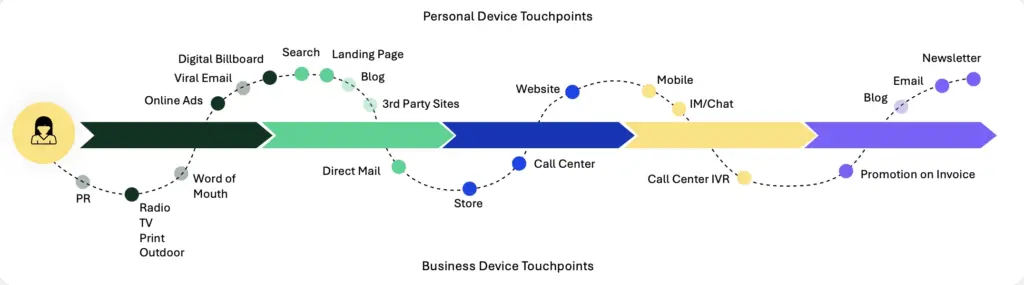
Traditional demand generation focuses on the top of the funnel-awareness, interest, lead capture. It’s important, sure, but it’s only one piece. A true digital growth program connects the dots across the entire buyer journey. You’re not just generating leads; you’re architecting an experience that moves prospects toward revenue.
Here’s what a full-funnel approach looks like:
When you orchestrate all these layers through a digital growth program, two things happen: your demand generation efforts become more efficient because nurturing is better, and your sales team spends less time chasing poorly qualified leads. Everyone wins.
None of this works without two things: the right tools and actual alignment between teams. Marketing automation platforms let you score leads, segment audiences, and deliver personalized experiences at scale. But the tech is only as good as your strategy. You need clear definitions: What’s a marketing-qualified lead? When do you hand off to sales? What’s the follow-up cadence?
Revenue Operations teams exist to answer these questions. They sit between marketing and sales, standardizing processes, unifying data, and making sure everyone’s measuring success the same way. If you don’t have RevOps yet, your digital growth program will stall-I promise.
Here’s the uncomfortable truth: most companies leave money on the table because their demand generation efforts aren’t connected to revenue outcomes. You’re generating leads, but are you generating revenue-ready opportunities? A digital growth program changes this by making every team accountable to pipeline health.
When marketing owns customer acquisition not just as a cost, but as a revenue driver, behavior changes. You stop chasing vanity metrics-impressions, clicks, leads-and start obsessing over pipeline velocity, win rates, and deal size. Your growth marketing investments become investments in your business, not just your brand.
If you’re ready to move beyond traditional demand generation into a full digital growth program, start here:
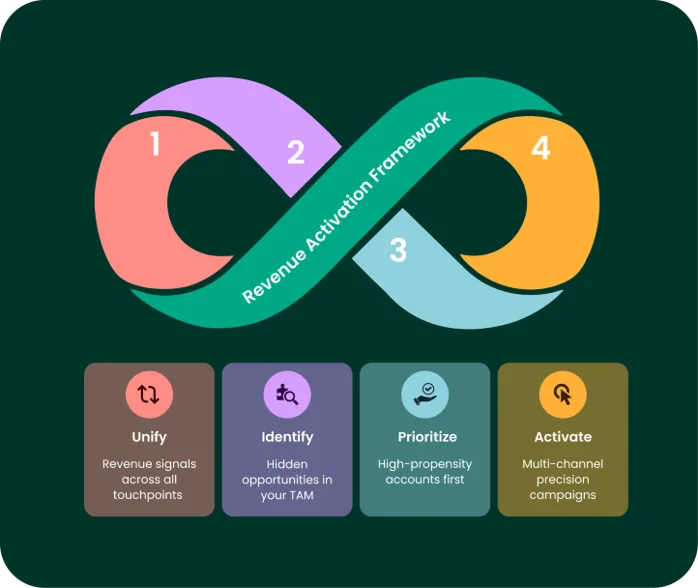
The companies winning at revenue marketing aren’t doing anything magical. They’re taking demand generation, layering in growth marketing, orchestrating pipeline acceleration, and tying it all to outcomes. That’s it. That’s the framework.
Your digital growth program doesn’t need to be complicated. It needs to be connected. When every piece of your growth strategy feeds into the next, and every team understands how their work drives revenue, you’ve got something special. And that’s when the real growth happens.
For better advice on the growth of your pipeline, Contact Us now.
Demand generation is the marketing practice of building awareness and interest in your company’s products or services among your target audience. It encompasses activities like content marketing, paid advertising, email campaigns, and thought leadership to attract potential buyers. The goal isn’t just to generate leads-it’s to create genuine interest and move prospects toward consideration.
A digital growth program is a coordinated framework that connects marketing, sales, and operations across the entire buyer journey. It moves beyond isolated lead generation to orchestrate awareness, engagement, nurturing, and pipeline acceleration through integrated digital channels. A digital growth program ties revenue outcomes to every marketing effort, ensuring alignment between teams and accountability to business results.
While demand generation focuses on creating awareness and capturing leads, growth marketing takes a broader view: it’s about building systems and strategies that accelerate revenue. Growth marketing includes optimization across the full funnel, experiments to improve conversion rates, customer retention, and expansion. Think of it as demand generation plus velocity, quality, and outcomes.
A solid B2B growth strategy includes awareness-building (content, thought leadership), lead nurturing and segmentation (marketing automation), sales alignment, and pipeline management. It also requires clear metrics, Revenue Operations governance, technology infrastructure, and a feedback loop so you can continuously improve. The best growth strategies connect marketing directly to revenue impact.
To strengthen pipeline generation, focus on lead quality over quantity, implement scoring systems to identify revenue-ready prospects, align sales and marketing on hand-off criteria, and use marketing automation to nurture prospects faster. Also invest in sales enablement-give your team the content and proof points they need to accelerate deals. Finally, track pipeline velocity and work backward from your revenue target to set realistic pipeline generation goals.