Leverage intent data and data targeting partnerships to supercharge your go-to-market strategy. Learn how to build a revenue-focused GTM playbook.
You’ve got a great product. Your sales team is hungry. Your marketing team is producing leads. And somehow, your revenue growth strategy is still stalling.
The gap isn’t in effort. It’s in targeting.
Most B2B lead generation campaigns spray and pray. They find lists, send emails, and hope something sticks. When conversion rates are 2 percent, 1 percent, or worse, teams respond by generating more leads. They chase volume. They burn out their sales team. They waste budget on accounts that were never going to buy.
This is where intent based data changes the game.
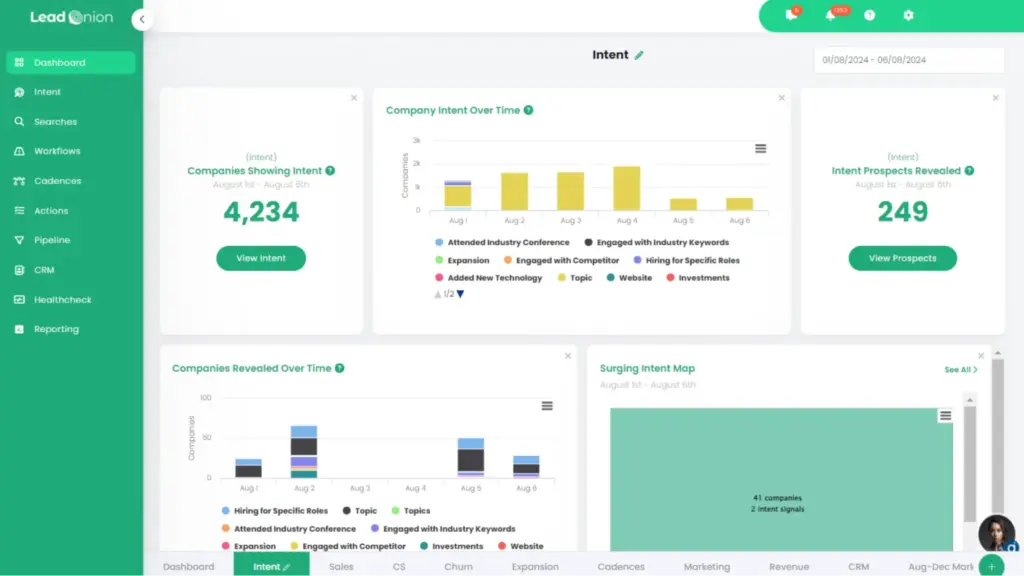
Intent data captures the digital behavior that signals purchase intent-the searches a prospect runs, the content they consume, the problems they’re researching, the solutions they’re comparing. It’s not demographic data. It’s not historical firmographic data. It’s behavioral proof that someone is in market, actively evaluating, and open to conversations.
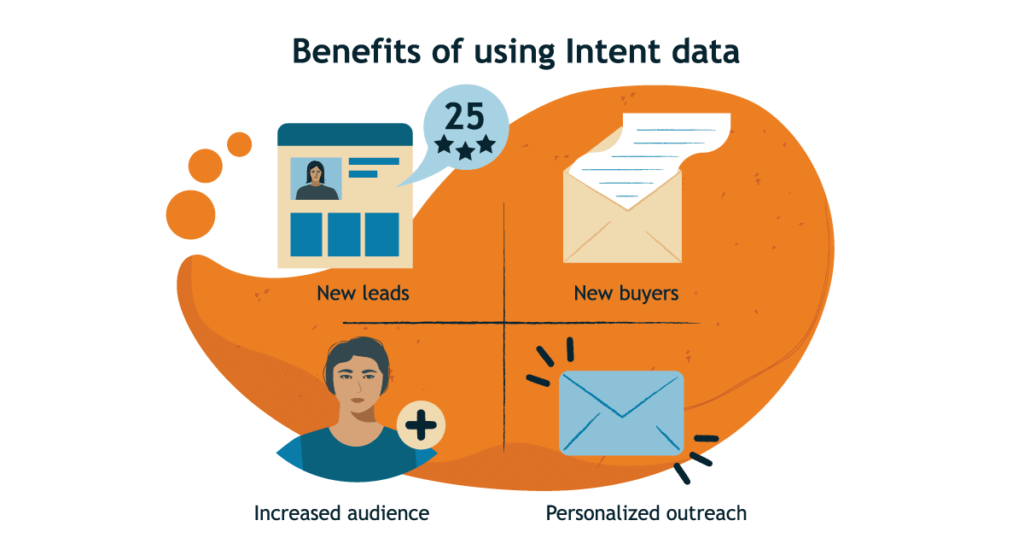
When you layer intent data into your go to market strategy, everything sharpens. Your marketing targets warm prospects instead of cold lists. Your sales team engages companies that are actually buying. Your customer acquisition strategy becomes efficient instead of chaotic. Your revenue growth strategy accelerates because you’re chasing real demand, not phantom prospects.
This is the future of GTM strategy. And it’s not coming. It’s already here.
A data-driven revenue growth engine runs on three inputs: who to target, when to target them, and why they matter.
Traditional go to market strategy gets the first part right sometimes. You identify your ideal customer profile. You build a list of companies matching that profile. You start outbound campaigns. But that’s static targeting. It assumes all ICP matches are equally in-market. They’re not. At any given time, maybe 5-10 percent of your ICP is actively evaluating solutions.
Intent data surfaces exactly that 5-10 percent. It identifies which companies are researching your solution category, which are comparing competitors, which are moving toward a buying decision. It gives you timing. It gives you urgency. It lets you engage when the prospect is warm, not when you’re convenient.
For B2B lead generation, this changes conversion dynamics. Instead of reaching out to 10,000 cold accounts and hoping for 100 meetings, you reach out to 500 accounts showing buying intent and land 150 meetings. That’s a 30-fold improvement in conversion efficiency.
Now layer in account-based marketing. Instead of blasting every ICP match with the same message, you personalize at account level. You research each target company’s current tech stack, business challenges, recent hiring patterns, recent funding rounds. You build campaigns tailored to that specific account. Your outbound email isn’t generic. It’s “Hey, I noticed you just hired a VP of Engineering and you’re using legacy infrastructure. Here’s how companies like yours modernized in 90 days.” That’s not spam. That’s insight.
This is where sales and marketing alignment becomes operationally real. Marketing isn’t just generating leads. They’re identifying and warming specific accounts that sales is ready to engage. Sales isn’t just calling random leads. They’re calling accounts that are showing clear buying intent. The handoff is clean. The conversion rates spike.
Here’s what most marketing teams miss: intent data isn’t just names and emails. It’s a window into the prospect’s brain.
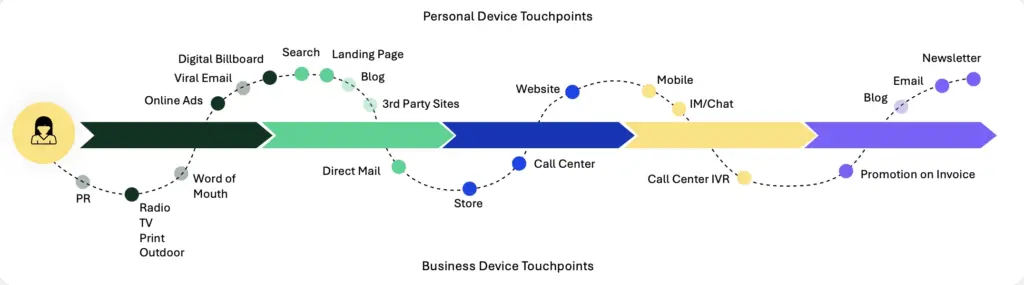
When someone searches “zero-trust architecture implementation,” they’re signaling they’re researching security solutions. When they download a comparison guide pitting Vendor A against Vendor B, they’re signaling they’re in the evaluation phase. When they attend a webinar on your specific use case, they’re signaling they’re considering you.
Aggregate that data across your target accounts and you get a customer segmentation strategy that actually works. You identify which accounts are in early research (top of funnel). Which are comparing solutions (mid-funnel). Which are negotiating implementation (late-stage). You build different playbooks for each stage.
Top-of-funnel accounts need educational content. “Here’s the state of the industry. Here are the problems you’re probably facing.” Mid-funnel accounts need comparative content. “Here’s how we stack up against alternatives.” Late-stage accounts need proof. “Here’s how similar companies implemented and what they achieved.”
Without intent data, you don’t know which stage your prospect is in. You send the same message to everyone. Some recipients are ready to buy. Some are still learning. The messaging lands wrong because it’s not calibrated to intent.
With intent data, your messaging is always in context.
Most companies don’t have access to intent data natively. They’re not large enough to capture it themselves. That’s where data targeting partnerships become critical.
Third-party intent providers-companies that aggregate search behavior, content consumption, purchase intent signals, and firmographic data-can surface this intelligence at scale. A partnership with one or two quality providers gives you audience intelligence that would take years to build internally.
The partnership works like this: You define your target personas and solution categories. The intent provider runs those against their dataset and returns a list of accounts showing buying intent for your category. You export that list into your marketing automation platform. Your campaigns immediately become more targeted. Your conversion rates improve.
But here’s where it gets powerful: data targeting partnerships aren’t static. They’re dynamic. The provider updates their data continuously. Every week, you get a fresh list of new accounts showing intent. You never run out of warm prospects. Your pipeline becomes predictable because you’re continuously identifying new buying signals.
For demand generation campaigns, this is revolutionary. You’re not guessing which accounts to target. You’re responding to actual market demand. When an account starts showing buying intent for your category, you’re immediately inserting your campaigns in front of them. Timing shifts from random to orchestrated.
Account-based marketing used to be a luxury-something only enterprises with massive budgets could afford. Today, with intent data and smart tools, it’s accessible to mid-market companies.
Here’s why account-based marketing works: it treats each target account as a market of one. Instead of building campaigns for anonymous prospects, you build campaigns for known companies with known challenges. Your messaging is personalized. Your content is relevant. Your timing aligns with their buying cycle.
When you combine account-based marketing with intent data, the results are dramatic. You identify accounts in-market for your solution. You segment them by industry vertical, company size, use case. You build account-specific campaigns. Your sales team reaches out with context. The prospect feels understood, not targeted.
Conversion rates improve. Sales cycles shorten. Deal sizes increase because you’re engaging accounts that are seriously evaluating and have budget allocated.
Building a data-driven revenue growth engine requires operational discipline.
First: sales and marketing alignment. Sales needs to define which accounts matter most. Marketing needs to understand why. You jointly identify your Tier 1 accounts-the ones that represent your highest-value opportunities. Those get the white-glove treatment: dedicated campaigns, personalized messaging, coordinated outreach. Tier 2 and Tier 3 accounts get standard account-based marketing playbooks calibrated to their segment.
Second: B2B lead generation becomes lead qualification. You’re not measuring leads generated. You’re measuring qualified opportunities. When marketing surfaces an account showing buying intent, they pass it to sales with context: “This account is researching solutions in your category, hired a relevant persona last month, and visited your pricing page twice.” Sales engages immediately, not next quarter.
Third: demand generation campaigns become predictable. You’re not hoping demand exists. You’re activating demand that intent data shows is already there. Each week, you get new accounts signaling buying intent. You add them to campaigns. Conversion rates stay high because you’re always chasing warm prospects, not cold lists.
Fourth: analytics and iteration. You measure everything. Which intent signals correlate with conversion? Which messaging resonates with which segments? Which targeting combinations produce the highest deal value? You iterate ruthlessly. Your GTM strategy evolves based on what works, not what sounds good.
Intent data isn’t a silver bullet. It’s information. Like any information, it’s only valuable if you act on it.
A company that buys intent data and does nothing with it wastes money. A company that buys intent data and sends generic campaigns to accounts showing intent wastes an opportunity. A company that buys intent data, personalizes campaigns at account level, coordinates sales and marketing, and measures what works? They win.
The bar for execution is higher with intent data because the opportunity is greater. Your marketing team needs to be skilled at customer segmentation and personalization. Your sales team needs to be trained on consultative selling, not transactional closing. Your operations team needs to maintain clean data and smooth handoffs.
If your organization isn’t ready for that rigor, the data sits in a spreadsheet unused.
But if you’re willing to tighten your go to market strategy and run it like a precision instrument, intent data and account-based marketing become a moat. Your competitors are still spraying and praying. You’re shooting at warm targets. Over time, the efficiency gap becomes insurmountable.
B2B buying is becoming increasingly data-driven. Prospects research extensively before talking to vendors. They compare solutions across weeks or months. They make decisions based on evidence, not pitches.
Your customer acquisition strategy needs to match that reality. Generic campaigns don’t work. Cold outreach to ICP matches doesn’t work. Spray-and-pray B2B lead generation doesn’t work.
What works: intent data that surfaces real buying signals. Account-based marketing campaigns tailored to specific prospects. Sales and marketing alignment that creates seamless handoffs. Measurement and iteration that makes your GTM strategy tighter every quarter.
The companies moving to this model are seeing 2-3X improvements in conversion rates, 20-30 percent reductions in sales cycle length, and 15-25 percent increases in average deal size. That’s not incremental improvement. That’s transformation.
Your revenue growth strategy doesn’t need more activity. It needs more precision. Data targeting partnerships and intent data give you that precision. The question is whether you’ll act on it.
Data targeting in B2B marketing means using behavioral and intent signals to identify and reach prospects who are actively researching or evaluating solutions. Instead of targeting all accounts matching your ideal customer profile, you use intent data to identify which accounts are showing buying signals-conducting relevant searches, consuming competitive content, visiting solution pages, or attending industry events. This precision targeting dramatically improves conversion rates because you’re reaching warm prospects, not cold lists. Data partnerships with intent providers make this accessible to mid-market companies.
Data targeting partnerships connect you with third-party providers who aggregate intent signals across search behavior, content consumption, and firmographic data. You define your target solution categories and personas. The provider runs your definitions against their database and returns a list of accounts showing buying intent. You import these accounts into your marketing automation platform and execute account-based marketing campaigns. The partnership is ongoing-providers update their data continuously, so you receive fresh intent signals weekly. This creates a predictable pipeline of warm prospects.
Intent data captures digital behavior that signals purchase intent-the searches prospects run, content they consume, solutions they compare, and problems they research. It’s important because it reveals which accounts are actively buying versus just matching your target profile. At any time, only 5-10 percent of your ideal customer profile is actively evaluating solutions. Intent data surfaces exactly that segment. When you layer intent data into your go to market strategy, you target warm prospects instead of cold lists, dramatically improving conversion rates and revenue growth strategy efficiency.
Traditional B2B lead generation targets all accounts matching your ICP, resulting in low conversion rates because most aren’t in-market. Data targeting using intent data identifies accounts actively researching your solution category. Instead of reaching 10,000 cold accounts for 100 meetings, you reach 500 warm accounts for 150 meetings-a 30X improvement in conversion efficiency.
Account-based marketing treats each target account as a market of one, personalizing campaigns to that company’s specific challenges and buying stage. Benefits include: higher conversion rates because messaging is relevant, shorter sales cycles because you engage at the right moment, larger deal sizes because you’re engaging serious buyers, improved sales and marketing alignment because both teams focus on the same accounts, and predictable pipeline because you’re using intent data to prioritize accounts most likely to buy.