Most planned U.S. AI data centers are set for drought-affected regions, raising concerns over water demand and local supplies.
The majority of planned U.S. data centers are set to be built in drought-affected regions, raising concerns about the environmental cost of the AI infrastructure boom.
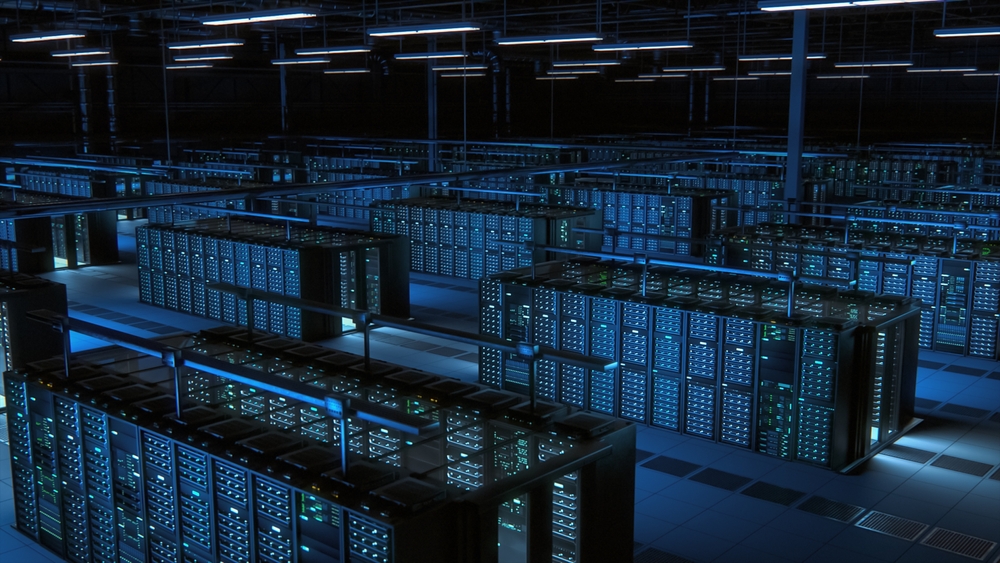
An analysis found that 517 of 809 planned facilities are located in areas that experienced drought conditions over the past year. Many data centers require large volumes of water to cool the servers supporting AI models and cloud services.
Large facilities can use up to 5 million gallons of water per day. Across the U.S., annual data-center water consumption is projected to rise sharply as companies expand AI infrastructure.
Technology companies including Google, Meta, Microsoft and Amazon are investing heavily in new facilities. Developers are often drawn to areas with cheaper land and tax incentives, including parts of Utah, Texas and Washington already facing water pressure.
The expansion is increasing scrutiny from communities and policymakers. Critics warn that new facilities could add strain to local supplies as drought affects agriculture, ecosystems and household water availability.
Some companies are investing in closed-loop cooling systems and other technologies designed to reduce water use. However, questions remain about whether infrastructure development is moving faster than local planning and environmental safeguards.
As demand for AI computing grows, water availability is becoming a key factor in where data centers are built and how sustainably they operate.