Discover how B2B media strategy is evolving with first-party data and commerce media. Learn AdTech trends shaping 2030 marketing.
The advertising technology game just flipped. And honestly? Most B2B marketers haven’t noticed yet.
For years, B2B media strategy was straightforward. Buy ads on LinkedIn. Target by job title. Hope something converts. It was messy, but it worked. Now? That playbook is dead. The winners in the AdTech trends space aren’t the ones with the biggest budgets-they’re the ones who cracked the code on first-party data strategy.
Here’s what’s happening: Third-party cookies are gone. Privacy regulations are tightening. And suddenly, every B2B marketer is scrambling to figure out where to get customer data. The answer? Build it yourself. Own it. Use it. This shift toward data-driven advertising isn’t coming in 2030-it’s already here.
Let’s talk about why your B2B media strategy needs a complete reset, and what the winners are actually doing.
AdTech has been around long enough to have a reputation problem. Most B2B marketers think of it as sketchy, intrusive, and ineffective. Too many wasted impressions. Too much attribution noise. Too much fraud.
That reputation is… half deserved.
The old model relied on surveillance. Track people across the web. Build massive audience profiles. Target based on behaviour you couldn’t possibly validate. It worked sometimes, sure. But it was built on quicksand-third-party data that you didn’t control and regulators were actively dismantling.
B2B media strategy in 2030 is fundamentally different. It’s not about spying on prospects anymore. It’s about knowing your own customers so well that you can predict what they’ll buy before they know they need it.
This is where data-driven advertising becomes a superpower.
Instead of buying reach from publishers who claim they have your audience, you’re building your own audience segmentation framework. You own the data. You understand the patterns. You control the narrative.
Let’s be honest: third-party cookies were always a hack. Publishers claimed they could tell you which person was which across the internet. They couldn’t-not really. Accuracy was maybe 60% on a good day. Most of the time you were buying ads that never reached your actual target.
Regulators noticed. GDPR came first. Then California. Then everyone else. Now third-party cookies are literally being phased out. Chrome is killing them. Safari already killed them. Firefox went aggressive. And suddenly, every AdTech vendor is panicking.
But here’s the thing: this is brilliant for B2B marketing.
B2B media strategy doesn’t need massive scale. You’re not trying to reach 300 million random consumers. You’re trying to reach 5,000 specific enterprise decision-makers. You know who they are. You have their email addresses. You have their company data. You know what solutions they currently use.
This is where first-party data strategy becomes your secret weapon. You don’t need cookies. You have something better: direct relationships.
Something wild is happening that most B2B marketers are completely missing: commerce media is exploding.
For context: commerce media is advertising that happens inside transactional platforms. Amazon advertising. Shopify’s ad network. B2B procurement platforms running their own ad networks. It’s massive. It’s growing at 30% annually. And it’s reshaping B2B media strategy entirely.
Here’s why it matters: Commerce media advertisers know exactly when someone is actively buying. They’re not guessing based on cookies or behavioural signals. A prospect is literally looking at competing solutions. That’s intent. Real, measurable, undeniable intent.
For data-driven advertising, this is gold. You’re not running awareness campaigns into a void. You’re placing your solution in front of someone at the exact moment they’re evaluating options. That’s not marketing-that’s sales acceleration.
The B2B platforms getting this right (think Coupa, Workiva, even verticalized SaaS platforms) are building commerce media strategies where vendors pay to be featured to qualified buyers actively in-market. It’s the highest-intent advertising channel that exists.
Here’s a dirty secret: most marketing analytics systems are garbage.
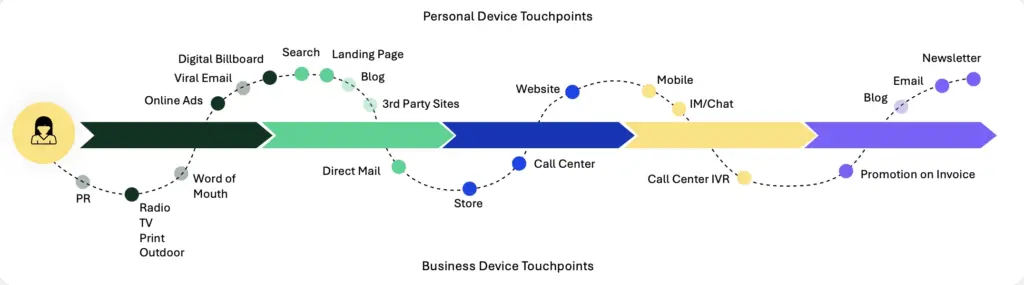
They attribute conversions to the last click. You spend £5,000 on LinkedIn and someone converts, so you mark it as a LinkedIn win. But they actually got there through a blog post you wrote three months ago, an email sequence you forgot about, and a sales call. The analytics just don’t capture any of that.
This is why data-driven marketing with proper customer insights is so critical now. You need to understand the entire journey, not just the last touchpoint.
When you own your first-party data, you can build real attribution models. You can see that the blog post drove awareness, the email drove consideration, and LinkedIn closed it. You can value each touchpoint appropriately. This changes everything about how you allocate budget.
Most B2B teams are still flying blind here. They’re optimizing for metrics that don’t matter. They’re killing campaigns that actually work and doubling down on campaigns that don’t.
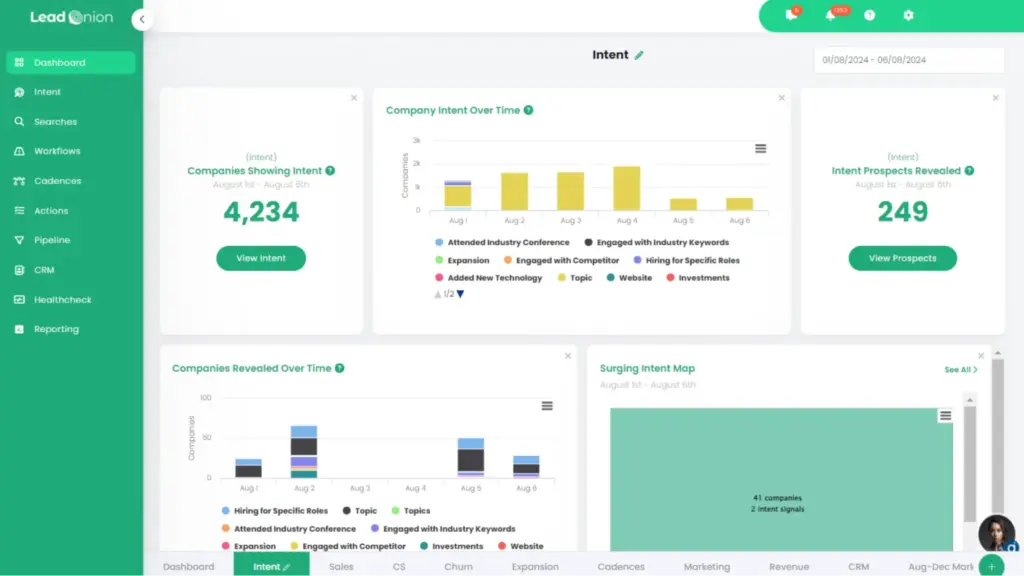
Data-driven advertising requires better audience segmentation and customer insights. You need to segment based on what you know, not on guesses. And you need analytics that actually track the real journey.
Alright, so you’re convinced. You need a first-party data strategy. So where do you start?
The challenge here is getting marketing, sales, and customer success to actually share data. This is a culture problem, not a tech problem. But it’s solvable. Most organisations just never try.
Audience segmentation done right feels almost creepy from the prospect’s perspective. They see exactly the message they need. No waste. No irrelevance.
This is where AdTech trends 2030 are heading: hyper-personalised, multi-channel, feedback-loop-driven marketing.
Let’s talk about predictive analytics because this is where the real magic happens.
Traditional B2B media strategy looked backward. You optimised based on what already happened. AI-powered AdTech looks forward. Which accounts are most likely to buy in the next 90 days? Which messaging resonates best with CFOs versus COOs? Which campaigns will drive the best ROI before we even spend the money?
Predictive analytics built on top of your first-party data is transformative. You’re not allocating budget equally across segments. You’re concentrating it on the accounts most likely to convert. You’re using messaging that’s proven to work for that specific segment.
AI also handles audience segmentation at scale. You could manually segment 5,000 companies into 10 buckets. Or you could let an AI model identify 100 micro-segments based on firmographic data, behavioural data, and intent signals. The latter wins.
The catch? You need good data. Garbage in, garbage out. This is why the first-party data strategy comes first. The AI is only as good as the data feeding it.
Let’s zoom out and look at the landscape shifts happening right now.
These aren’t predictions. They’re happening right now. The question is whether you’re moving with them or getting left behind.
Here’s what most organisations get wrong about B2B media strategy evolution: they think it’s about buying better technology.
It’s not.
You don’t need the fanciest AdTech platform. You need better data practices. You need alignment between marketing and sales. You need honest attribution. You need smaller, more relevant segments. You need to actually listen to what prospects tell you instead of trying to infer it from cookie data.
The organisations winning at data-driven advertising aren’t spending the most money. They’re spending smarter. They’re using customer information to focus. They’re building first-party data strategy because they understand it’s a competitive moat.
Your competitors are probably still buying ads based on LinkedIn targeting and hoping something sticks. They’re leaving billions on the table. If you shift to data-driven marketing properly, the difference in efficiency will be night and day.
Here’s the frame:
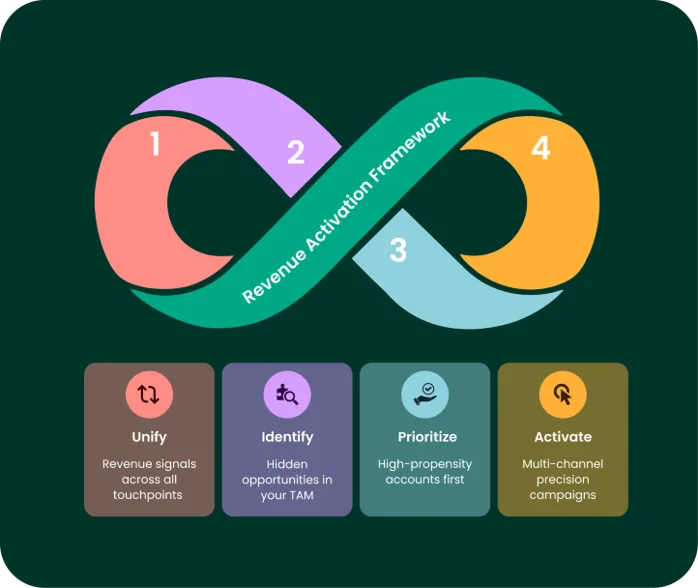
Data foundation: You own comprehensive first-party data on prospects and customers. You know firmographics, intent signals, product usage, behaviour patterns, and relationship history.
Audience segmentation: You’ve segmented these into cohorts (maybe 20-50) based on what actually matters to conversion. Not random demographic nonsense-segments that predict buying behaviour.
Unified activation: Marketing, sales, and customer success all activate around these segments. An account moving from segment A to segment B triggers orchestrated actions across all channels.
Flexible channel mix: You’re allocating to owned channels (email, content), earned channels (partnerships, referrals), paid channels (LinkedIn, commerce media, programmatic), and direct sales based on what drives best ROI for each segment.
Continuous optimisation: You’re testing everything. Every quarter, new hypotheses. New messaging. New channels. Real data tells you what works.
This is B2B media strategy for 2030. And if you’re not building this now, you’re falling behind.
AdTech is the technology infrastructure that powers advertising. It includes demand-side platforms (DSPs), data management platforms (DMPs), ad servers, and marketing analytics tools. For B2B, it’s essential because it lets you target specific companies and decision-makers across channels, measure performance, and optimise spend. Without Advertisement Technology, you’re just buying ads blind.
Commercial media puts your ads in front of prospects at the moment of buying intent. When someone is actively evaluating solutions on a procurement platform or SaaS marketplace, that’s high-intent traffic. This reduces wasted impressions and drives better ROI than awareness-focused B2B media strategy alone.
With third-party cookies disappearing, first-party data is your only reliable source of truth about customers. You own it, you control it, and it’s accurate. Building a strategy lets you personalise and segment without relying on surveillance. It’s more effective and more ethical.
AI powers predictive analytics, audience segmentation, and optimisation at scale. It identifies high-value accounts before you spend money. It predicts which messaging works for which segments. It automates customer’s discovery. AI doesn’t replace strategy-it makes your strategy exponentially more effective.
The biggest AdTech trends are: unified data platforms, privacy-compliant personalisation, commerce based media growth, account-based marketing becoming standard, and real multi-touch attribution finally becoming practical. B2B domain’s media strategy is shifting from reach-based to precision-based, from third-party data to first-party data strategy, and from guessing to measuring.