Discover how AI investments are transforming telecommunications. Explore autonomous networks, predictive maintenance, and 5G optimization.
The telecommunications industry is at a turning point. AI in telecommunications is no longer a buzzword-it’s becoming the backbone of how networks operate, scale, and deliver service. Carriers across the globe are pouring billions into AI in telecommunications initiatives because the math is simple: automation cuts costs, improves reliability, and keeps customers satisfied.
What’s driving this shift? The sheer complexity of modern networks. A typical telecom operator manages millions of connected devices, petabytes of data, and service-level agreements that demand 99.99% uptime. Manual management is no longer viable. Enter artificial intelligence.
The global telecom AI market is expected to reach significant valuations in the coming years, with operators recognizing that telecom digital transformation isn’t optional anymore-it’s existential. The carriers investing early in AI capabilities are already outpacing competitors in network efficiency, customer retention, and revenue growth.
Telecom automation solutions represent the first major wave of AI adoption in the sector. Instead of human engineers manually responding to network events, AI systems now detect anomalies, predict failures, and implement fixes in milliseconds.
Consider what autonomous telecom networks can do: they self-heal. A fiber cut in one part of the network triggers automatic rerouting before customers even notice. Congestion in a busy cell tower prompts load balancing across adjacent cells. These aren’t futuristic concepts-they’re operational today at leading carriers.
The economic benefit is massive. Telecom automation solutions reduce operational expenditure (OpEx) significantly by minimizing human intervention and emergency repairs. Fewer trucks rolling out to fix problems means lower fuel costs, faster mean-time-to-resolution (MTTR), and happier field teams.
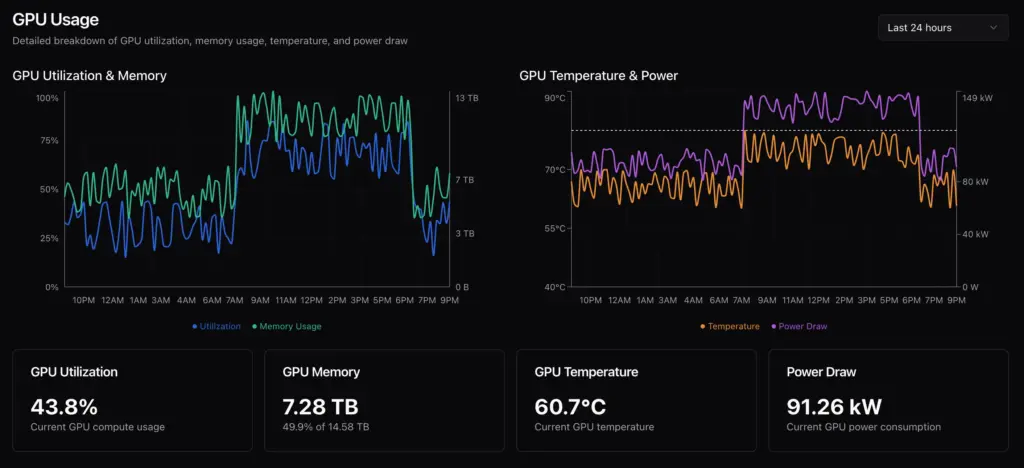
One of the most transformative applications is predictive network maintenance. Rather than waiting for equipment to fail or checking it on a fixed schedule, AI systems analyze real-time sensor data, historical patterns, and environmental factors to forecast exactly when a component will degrade.
A router showing early signs of thermal stress? The system flags it weeks in advance, allowing planned replacement during a maintenance window. A power supply with degrading capacitors? AI catches it before outage risk spikes. This shift from reactive to predictive is reshaping how telecom operators budget and plan infrastructure investments.
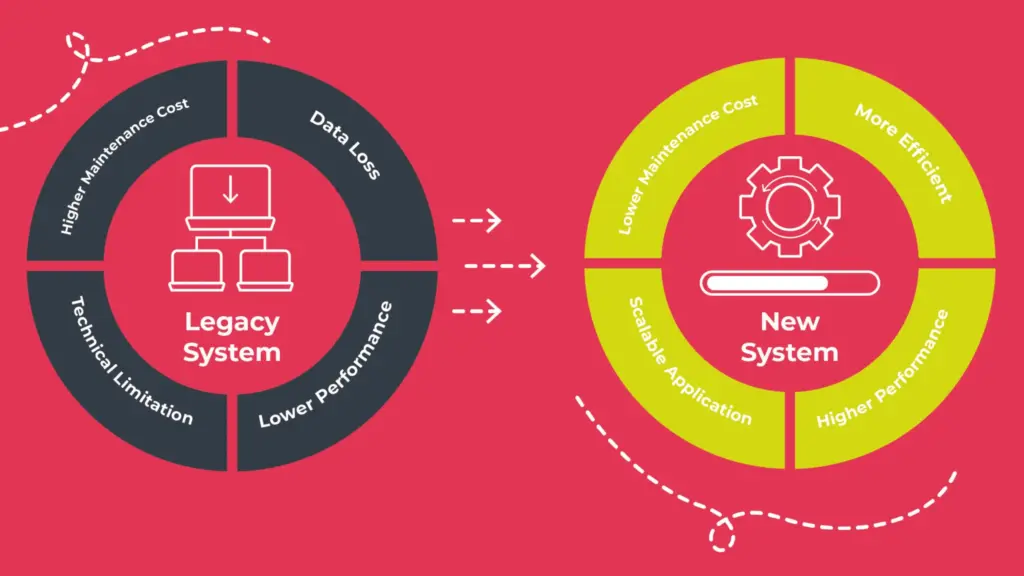
Telecom infrastructure modernization accelerates when you can predict failures rather than manage crises. Networks stay up longer, upgrades happen during planned windows, and technicians spend more time on strategic work instead of firefighting.
Predictive analytics in network management goes beyond just keeping systems running-it optimizes performance in real-time. AI systems continuously learn traffic patterns, user behavior, and seasonal demands. During peak hours, the system automatically adjusts radio parameters, prioritizes critical applications, and distributes load intelligently.
For 5G deployments, this is critical. Software-defined networking (SDN) paired with AI enables networks to be fluid and responsive. What worked at 8 AM might not work at 8 PM. Digital infrastructure powered by AI adapts dynamically.
The result? Better user experience, more efficient spectrum usage, and the ability to support more customers on the same infrastructure without overhauls.
5G networks are exponentially more complex than 4G. They operate across multiple frequency bands, incorporate edge computing, and demand ultra-low latency. Manual tuning is impossible at that scale.
Autonomous telecom networks powered by AI aren’t just a feature-they’re mandatory for 5G viability. Machine learning models optimize beam management, interference mitigation, and resource allocation continuously. The network learns, adapts, and self-optimizes without human engineers tweaking parameters day and night.
Here’s the business reality: AI in telecommunications drives margins up and capital intensity down. Operators report:
Carriers that master telecom automation solutions are already pulling ahead in customer NPS scores and retention metrics.
This isn’t a gradual shift. The telecom industry’s competitive dynamics mean that leaders in AI in telecommunications are establishing advantages that are hard to close. Network quality, reliability, and responsiveness are becoming table stakes for winning customers and keeping enterprise accounts.
Smaller carriers face pressure to invest quickly or risk falling behind. Those who delay telecom digital transformation will find themselves at a cost disadvantage and unable to match the service quality of AI-powered competitors.
The end state of this evolution is clear: autonomous telecom networks that manage themselves with minimal human oversight. Not fully autonomous (that’s still years away), but systems where humans set high-level policies and the network handles execution, optimization, and problem-solving.
This requires investment in talent, data infrastructure, and partnerships with AI vendors. But the payoff-a network that’s more efficient, more reliable, and more responsive to customer needs-justifies the effort.
The carriers that understand this opportunity are already moving. The question for others isn’t whether to invest in AI in telecommunications, but how quickly they can catch up.
A: AI-powered network automation delivers several key benefits. First, it dramatically reduces operational costs by handling routine network management tasks without human intervention. Second, it accelerates incident response-problems are detected and resolved in seconds rather than hours. Third, it improves network reliability and uptime by predicting failures before they occur. Fourth, it frees your engineering team to focus on strategic initiatives instead of firefighting. Finally, it enables networks to scale efficiently without proportional increases in staffing.
A: AI improves 5G performance through continuous optimization of radio parameters, beam management, and resource allocation. Machine learning models analyze real-time traffic patterns and user behavior to dynamically adjust network settings. This includes interference mitigation, spectrum efficiency improvements, and intelligent load balancing across cells and bands. AI also enables edge computing decisions that reduce latency by processing data closer to users, which is essential for 5G’s low-latency promise.
A: Autonomous telecom networks are self-managing systems that handle their own optimization, problem detection, and resolution with minimal human input. They use AI and machine learning to continuously monitor performance, predict failures, adjust configurations in real-time, and route traffic intelligently. While fully autonomous networks are still emerging, today’s advanced systems already exhibit many autonomous behaviors-self-healing, self-optimizing, and self-managing capabilities that reduce human dependencies and operational overhead.
A: AI reduces downtime through predictive maintenance and automated incident response. It analyzes equipment health metrics, environmental conditions, and historical failure patterns to forecast problems days or weeks in advance, allowing preventive repairs during scheduled maintenance windows. When issues do occur, AI detects them immediately and initiates automated remediation-rerouting traffic, isolating faults, or restoring service without human delay. This combination of prediction and fast response keeps networks up longer and outage durations shorter.
A: AI improves customer experience by ensuring networks are more reliable, responsive, and intelligent. When networks automatically prevent outages and resolve problems faster, customers experience fewer service interruptions. AI also enables personalized service by learning usage patterns and optimizing prioritization for individual users’ needs. Additionally, AI powers intelligent customer service tools that diagnose issues faster and predict customer needs, leading to proactive support rather than reactive problem-solving. Better network quality plus smarter service equals happier customers.