Discover how cloud distributors are transforming enterprise IT. Learn distribution strategies, channel partnerships, and multi-cloud approaches for 2026.
Here’s something nobody talks about: the person responsible for buying cloud infrastructure at your company probably has no idea who their cloud distributor is.
That’s the problem.
For decades, enterprise IT procurement was straightforward. You had vendors. You had resellers. You had integrators. Everyone knew their role. But the cloud services landscape broke that model. Now you’ve got cloud providers. You’ve got marketplaces. You’ve got channel partners. You’ve got distributors trying to figure out where they fit in a world that doesn’t need inventory anymore.
Yet somehow, enterprise cloud solutions are getting more complex, not simpler. You’re running workloads across AWS, Azure, and Google Cloud. You’re managing SaaS subscriptions from dozens of vendors. You’re trying to avoid vendor lock-in. And through all of this, the right cloud distributor is quietly doing something most teams never notice: making it actually work.
Let’s talk about why the role of distributors in enterprise IT has changed so dramatically, and why choosing the right distribution strategy matters more now than ever.
Here’s the reality: enterprise IT buying used to be slow, deliberate, and centralised. Your procurement team evaluated options. Negotiated terms. Signed a multi-year deal. Done.
Cloud blew that up.
Now your developers spin up infrastructure without asking permission. Your SaaS managers are subscribing to tools independently. Your different business units are each running their own cloud strategies. And your CIO is trying to make sense of the chaos.
This is where cloud distribution strategy becomes critical. Not because you need someone taking a margin-you don’t. But because you need someone who understands your entire enterprise technology solutions landscape and can help you navigate it.
The old distributor model was about logistics. Moving physical boxes. Warehousing inventory. Now? Cloud distribution is about something completely different: orchestration, optimisation, and governance at scale.
Let’s back up and talk about what’s actually changing.
Digital transformation solutions used to mean “move your data to the cloud.” Now it means “modernise your entire IT operating model while managing multiple clouds, maintaining security, controlling costs, and reducing technical debt.”
That’s not a project. That’s a continuous process. And you can’t do it alone.
Your cloud service providers (AWS, Azure, Google Cloud) are brilliant at building infrastructure. But they’re not incentivised to help you avoid spending more money with them. That’s where distributors come in. A good cloud distributor actually helps you optimise spend across providers, not maximise it with one.
Think about it: an enterprise moving to the cloud has thousands of decisions. Which workloads belong in public cloud versus on-premise? Which provider makes sense for which application? How do you manage costs when your cloud bill is growing 30% year-over-year? How do you enforce governance without slowing innovation?
Your cloud service providers won’t help you answer these questions honestly. Distributors will, because their incentive is keeping you as a customer long-term, not squeezing the most revenue out of this quarter.
This is the role of cloud distributors in digital transformation: they’re honest brokers helping enterprises navigate complexity.
Here’s a stat that will terrify your CFO: most enterprise cloud adoption initiatives overshoot budget by 40-60%. Not 5%. Not 10%. Forty to sixty percent.
Why?
Because moving to the cloud is harder than people think. Developers start moving applications without proper planning. You end up with duplicate workloads. You’re running things in multiple clouds without orchestration. Your security team is panicking because they can’t see what’s happening. Your finance team is losing their minds trying to track spend.
This is where the right cloud distribution strategy saves your sanity (and your budget).
A competent distributor brings governance structure. They help you categorise workloads. They enforce architectural standards. They make sure you’re not paying for redundant services. They help you negotiate better terms because they have leverage across multiple cloud service providers.
The enterprises winning at enterprise cloud adoption aren’t the ones with the biggest budgets. They’re the ones with the best distribution partners helping them navigate complexity.
Something interesting is happening that’s completely reshaping how enterprises procure cloud services: cloud marketplaces.
AWS Marketplace. Azure Marketplace. Google Cloud Marketplace. These platforms have become the primary way enterprises discover and buy software. You can spin up a solution, test it, and commit to a contract in hours instead of months.
This sounds great on the surface. It is-mostly. But it creates a new problem: you’ve got hundreds of teams buying independently across these marketplaces. Your finance team has no visibility. Your security team hasn’t reviewed the software. You don’t have volume licensing agreements across the organisation.
This is where cloud distribution strategy gets interesting. Smart distributors are positioning themselves as marketplaces for enterprises. Think of them as aggregators. One agreement with the distributor, and you’ve got access to standardised procurement across all major cloud service providers. Security reviews happen once. Licensing is centralised. Finance has visibility.
It sounds boring. It’s actually revolutionary for enterprises managing enterprise cloud adoption at scale.
Here’s something every enterprise wants to avoid: vendor lock-in. Pick one provider, and five years later you’re at their mercy on pricing, features, roadmap.
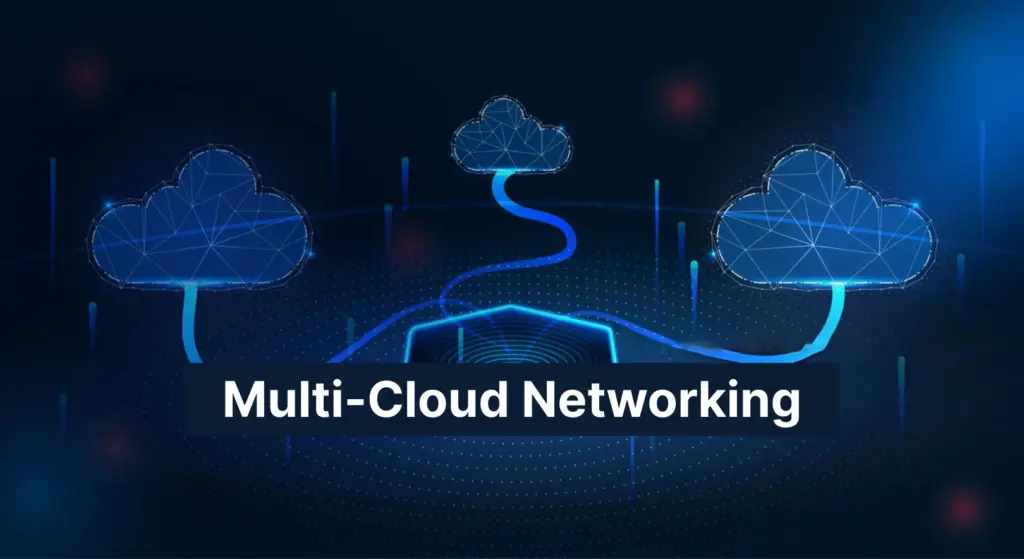
So everyone talks about multi-cloud. Have workloads across AWS, Azure, and Google Cloud. Avoid dependency on any single vendor.
Good theory. Execution is a nightmare.
Multi-cloud is expensive. You need expertise on each platform. You’ve got operational complexity across providers. Your teams are spread thin. Costs balloon because you can’t leverage volume discounts on one platform.
This is where a strong cloud distributor becomes invaluable. They help you make deliberate, strategic choices about which workloads belong where. They ensure your architecture is portable so you can shift between providers if needed. They handle negotiations across platforms so you get better rates.
The enterprises doing multi-cloud well aren’t the ones randomly spreading workloads across providers. They’re the ones with a strategy. And that strategy usually involves a distributor who understands both their business and the technical landscape.
Let’s zoom out for a second. Most people think of enterprise cloud solutions as compute, storage, databases. Infrastructure stuff.
But modern enterprise IT is way broader than that. You need security solutions. Monitoring and observability. Data analytics. AI and machine learning. DevOps tooling. Governance and compliance platforms.
Each of these categories has multiple vendors. Each vendor has different licensing models, pricing structures, and integration requirements. Coordinating across all of this is a full-time job.
This is why cloud service providers created marketplaces. It’s also why smart cloud distributors are evolving beyond just handling the infrastructure layer.
The best distributors now are solution architects. They understand your business. They know your infrastructure requirements. They can recommend a combination of cloud services and third-party tools that actually solve your problem, not just sell you more stuff.
Let’s talk money for a second. This matters.
Traditionally, distributors made money by taking a margin on what they sold. With physical goods, that made sense. You’d buy a shipment of servers, warehouse them, and sell them at a markup.
Cloud doesn’t work that way. There’s no inventory. No marginal cost to serving another customer. The margin model breaks down.
So how do cloud distributors make money now? Several ways:
The best distributors are making money from value-add services, not pure margin. This aligns their incentive with yours: help the customer succeed, and the revenue follows.
When someone says they need digital transformation solutions, what they usually mean is “we’re behind on technology and we need help catching up.”
This could be cloud migration. Could be modernising legacy applications. Could be building new digital capabilities. Could be all three simultaneously.
Your cloud service providers will sell you infrastructure. Your system integrators will sell you implementation services. Your ISVs will sell you software.
But who connects all the dots? Who makes sure your transformation strategy is coherent instead of a collection of point projects? Who keeps your costs from spiraling out of control?
A good cloud distributor does all of that. They understand the full picture. They know which vendors work well together. They’ve seen what works and what doesn’t. They’re honest about trade-offs instead of trying to maximise their commission.
Let’s look at the trends reshaping the space:
Here’s what most enterprises get wrong: they assume cloud service providers can handle everything themselves.
They can’t. They’re not incentivised to help you optimise cost. They’re not focused on making sure you’re following best practices. They’re not thinking about your entire IT portfolio-just their piece of it.
When you work with enterprise cloud solutions alone (without a distributor), you end up:
When you work with the right cloud distributor, you get governance, cost control, strategic direction, and actual partnership. That’s not free-but it pays for itself many times over.
Here’s the frame for a good partnership:
If your distributor can’t do these things, you need a new one.
Cloud distributors help enterprises navigate the complexity of moving to the cloud. They bring governance, cost optimisation, vendor management, and strategic direction. While service providers sell you infrastructure, distributors help you use that infrastructure effectively as part of a broader digital transformation strategy.
Cloud marketplaces (AWS, Azure, Google Cloud) have made it possible for teams to procure software independently and quickly. This is good for agility but creates visibility and governance challenges. Smart enterprises are using cloud distributors to standardise procurement across marketplaces while maintaining control and negotiating power.
Strong cloud channel partnerships let you leverage external expertise without hiring expensive talent. Partners bring implementation experience, best practices, and vendor relationships. They also help you avoid expensive mistakes. The key is choosing partners whose incentives align with yours-they should make money from your success, not from selling you more stuff.
Managing workloads across multiple cloud with the service providers is complex and expensive. Cloud distributors help by making deliberate strategic choices about which provider handles what, negotiating volume discounts across providers, ensuring your architecture remains portable, and simplifying vendor management. They prevent the cost and complexity explosion that often happens with multi-cloud.
The biggest shifts are: margin compression driving consolidation, FinOps (cost optimisation) becoming critical, distributors adding managed services instead of pure resale, ecosystem platforms connecting all stakeholders, and direct-to-customer pressure forcing distributors to add more value. Enterprise IT leaders increasingly expect distributors to be strategic partners, not just vendors.