FuriosaAI plans to raise chip production as it develops Stork, a 2nm AI accelerator for high-performance inference.
South Korean AI chip startup FuriosaAI is preparing to increase production of its AI accelerators as demand for inference-focused hardware grows.
The company is reportedly planning to raise output of its current-generation chips to about 40,000 to 50,000 units next year, up from an expected 20,000 units in 2026.
FuriosaAI is also developing Stork, its third-generation AI accelerator, through a partnership with Broadcom.
The chip is expected to use a 2nm compute die, HBM4 or HBM4E memory and Broadcom’s scale-up Ethernet technologies to support high-bandwidth AI inference workloads across large compute clusters.
FuriosaAI is positioning Stork as an inference-optimized alternative to GPU-based systems, with a focus on performance per watt, token throughput and lower cost per token.
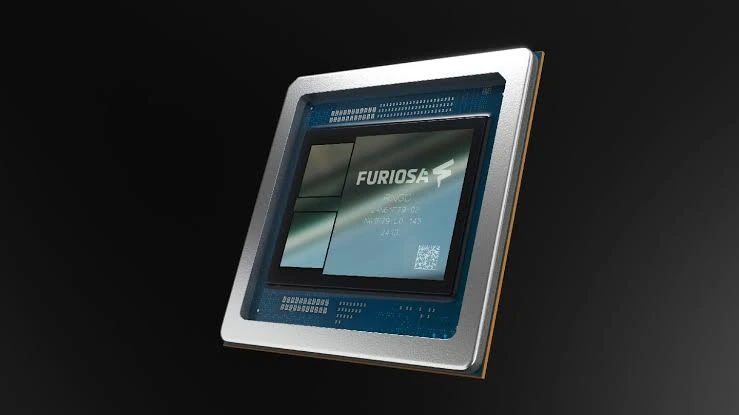
The company’s current RNGD accelerator is already in production and has been adopted by customers including Samsung SDS and LG AI Research.
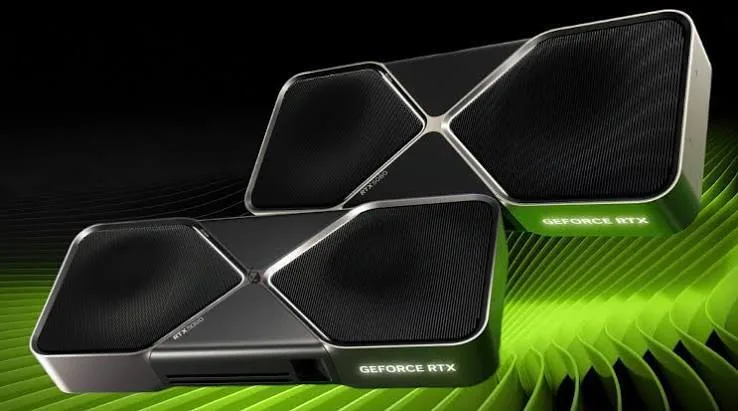
The expansion comes as AI infrastructure buyers look for alternatives to NVIDIA GPUs, particularly for large-scale inference and agentic AI workloads.
While FuriosaAI’s claims still need to be tested at commercial scale, the company’s production plans and Broadcom partnership reflect growing competition in the AI accelerator market.