Discover why vertical SaaS is outperforming traditional ERP in regulated industries with better compliance, specialized workflows, flexibility, and efficiency.
For a long time, buying enterprise software meant picking a broad-market ERP and bending the business to fit it. Pharma companies, community banks, hospitals, and insurers all ran on the same underlying suites, then paid consultants six figures to configure the gaps. That trade-off is unravelling. In heavily regulated industries, teams are quietly replacing their giant horizontal systems with vertical SaaS built for one industry and one industry only.
The pattern shows up across life sciences, financial services, and healthcare. Buyers want software that already speaks their regulatory language, not a blank slate they have to teach.
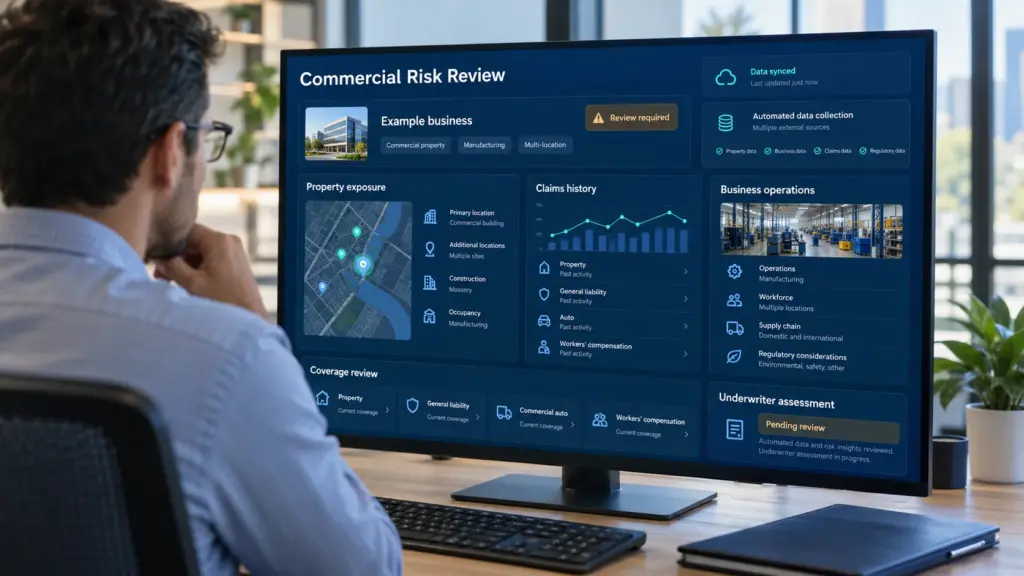
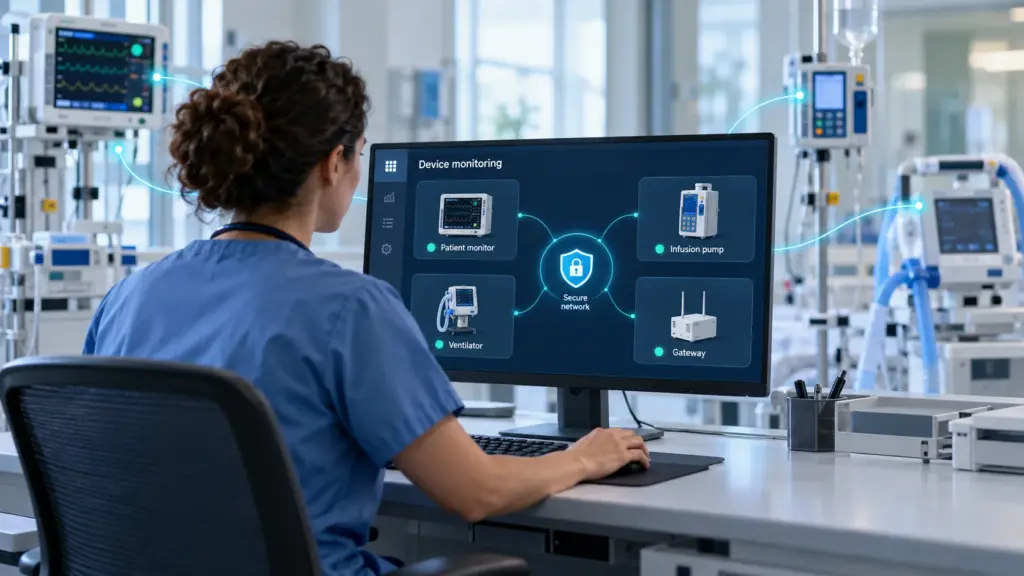
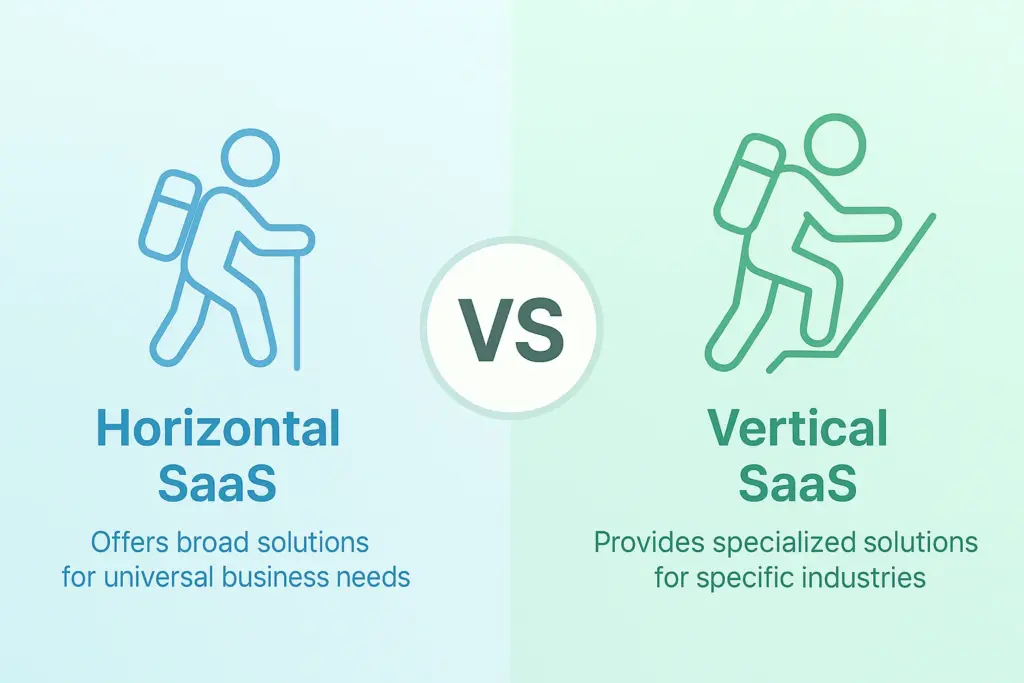
Vertical SaaS is software built for a single industry, with the workflows, data models, and compliance controls of that industry baked into the product. A vertical SaaS platform for community banks handles BSA/AML reporting out of the box. One built for medical device manufacturers handles 21 CFR Part 11 audit trails without customisation. The distinction from generic enterprise SaaS is depth: instead of covering a hundred industries at 40% fit, vertical software covers one industry at 95%.
Contrast that with a vertical ERP, which is often just a horizontal ERP with an industry module bolted on. The core is still general-purpose accounting and inventory. The compliance logic, when it exists, comes from a partner add-on rather than the vendor’s own roadmap.
Traditional ERP solutions for regulated industries were designed in an era when regulation was slower and narrower. A large ERP vendor can serve manufacturing, retail, hospitality, and pharma from one codebase because the abstractions are generic. That worked when a compliance team’s job was mostly paperwork.
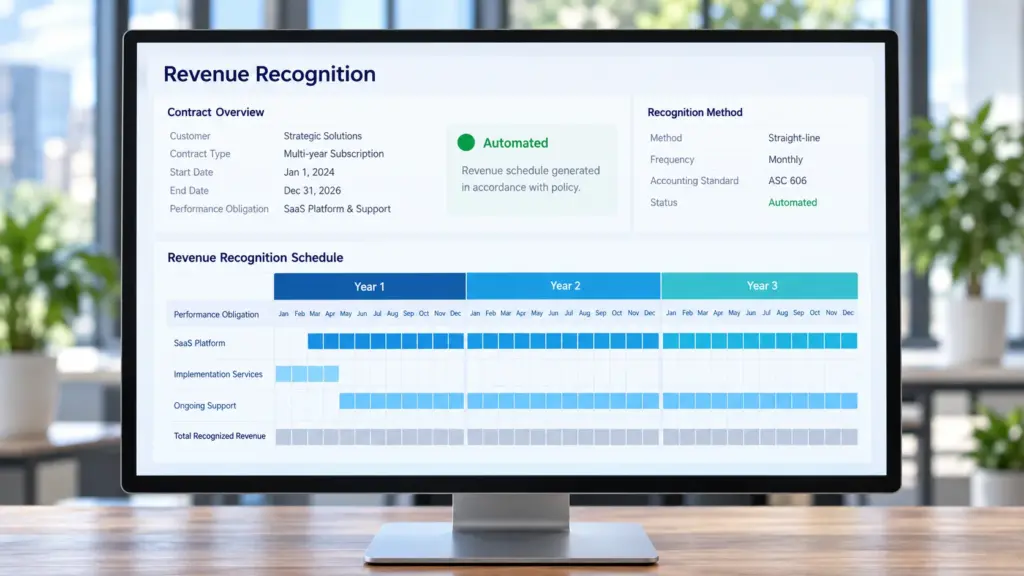
It stops working when regulators expect real-time reporting, immutable audit logs, validated computer systems, and traceability down to the batch or transaction level. Every one of those requirements has to be retrofitted onto a horizontal ERP through customisation, consulting, and third-party bolt-ons. Total cost of ownership climbs, upgrade cycles slow to a crawl, and the compliance team ends up living in spreadsheets outside the ERP anyway.
That gap is exactly where vertical SaaS for regulated industries has taken hold.
The advantage comes down to two things: regulatory compliance is treated as a product feature, and workflow automation matches how the industry actually operates.
When a vendor serves only credit unions or only specialty pharmacies, their roadmap follows the regulator’s calendar. New rules from FinCEN, the FDA, or state boards get shipped as standard functionality, not billable projects. Customers stop being on the hook for interpreting the regulation themselves, and audit prep stops being a fire drill.
The same logic applies to workflow automation. A generic system automates purchase orders and expense reports. A vertical SaaS platform for clinical trials automates informed consent tracking, adverse event reporting, and site monitoring visits. The automation sits closer to the actual work, so more of it can be automated without human hand-holding.
Buyers used to assume horizontal systems were more flexible because they touched more of the business. In practice, the opposite has turned out to be true.
Modern vertical SaaS vendors ship real APIs, event streams, and embedded analytics. Because they own a narrower surface area, they iterate faster and integrate more cleanly with the niche systems their customers already run: LIMS in labs, PACS in radiology, loan origination platforms in banking. Broad-market ERPs, weighed down by two decades of technical debt, often need middleware to do the same job.
Implementation timelines reflect this. A specialty pharmacy chain rolling out a vertical SaaS system is typically live in months. The same chain moving to a large horizontal ERP would plan for years, budget for a partner contract, and staff a program office to steer it.
Not universally. A global conglomerate with dozens of business units still needs a horizontal spine for consolidated financials, tax, and treasury. The vertical SaaS vs horizontal ERP debate is not about replacing everything at once; it is about picking the right layer for the right job.
What has genuinely changed is the default. Ten years ago, a regulated business would start with the ERP and squeeze industry workflows in around it. Today, more of them are starting with vertical SaaS for the workflows that touch compliance and customers, and letting the ERP handle general ledger and procurement in the background. In some sectors, a purpose-built vertical ERP is now the primary system of record, with the horizontal suite reduced to a consolidation layer.
For heavily regulated industries, that inversion is producing better audit outcomes, shorter implementations, and lower total cost. The old assumption that bigger and broader always wins does not survive contact with a modern regulator.
It is software designed for a single industry, with that industry’s workflows, data models, and compliance requirements built into the product rather than added through customisation.
An ERP is a broad system for running the back office of almost any business. Vertical SaaS is narrower and deeper: it is built for one industry, with regulatory and workflow logic already in place when you switch it on.
Because compliance controls, audit trails, and reporting requirements come as part of the standard product. Regulated businesses spend less time and money forcing generic software to meet sector-specific rules, and their audit posture improves.
Faster implementation, tighter fit with existing niche systems, compliance handled as a product feature, and roadmap priorities that follow the regulator’s calendar rather than a generic upgrade cycle.
For workflows that touch regulation, customers, or specialised operations, yes. For horizontal functions like consolidated financials at a diversified enterprise, a traditional ERP still has a role. Many regulated businesses now run both, with vertical SaaS in front and ERP in the background.