Discover how AI platforms are driving SaaS consolidation, reducing tool sprawl, simplifying workflows, and helping enterprises optimize technology costs.
The average enterprise runs over 200 software applications. That number probably doesn’t surprise anyone in IT or operations anymore – but it should. Behind it is a fragmented, expensive technology stack that costs more to maintain than most organizations admit, and delivers less efficiency than anyone planned for when they first bought into it.
The single-feature SaaS era had a good run. Point solutions solved specific pain points fast, and buying them felt low-risk. But somewhere along the way, “adding tools” stopped being a growth move and started being a liability. Today, the conversation in enterprise technology has shifted – and the shift is deliberate.
There’s a version of this story that’s purely financial. Duplicate subscriptions, shelfware, tools that teams stopped opening six months after onboarding – audits at mid-to-large enterprises routinely uncover software spend that nobody can fully account for. But the real cost isn’t just the licensing fees. It’s the operational drag that compounds alongside them.
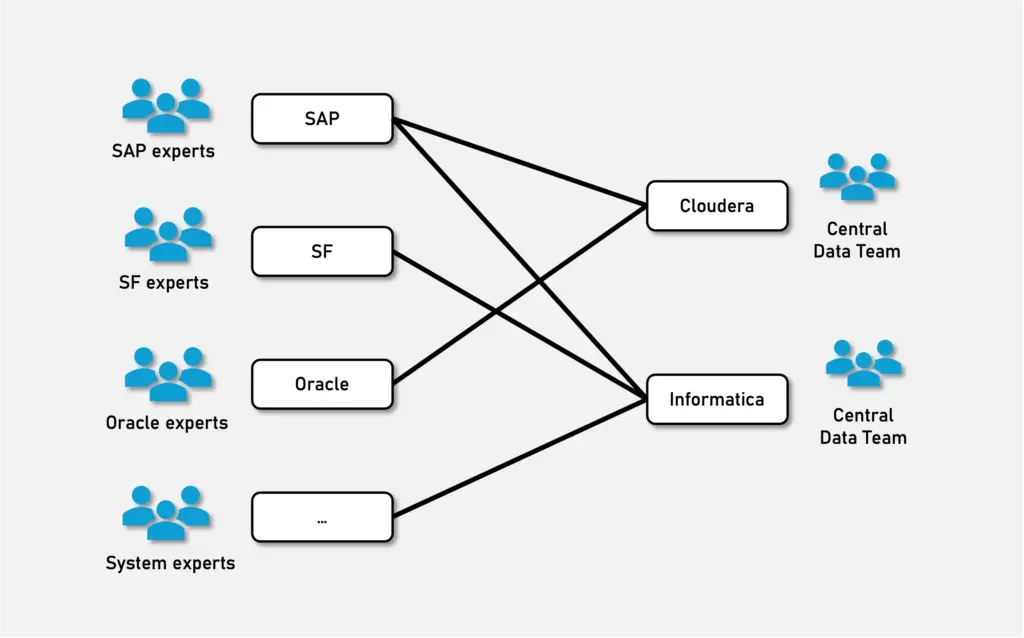
When your sales team operates in one platform and your marketing team in another, and neither integrates cleanly with your CRM or data warehouse, you don’t just have a software problem. You have a data problem, a workflow problem, and – eventually – a decision-making problem. Context gets lost between handoffs. Reporting requires manual reconciliation. IT spends a disproportionate share of its time managing integrations that shouldn’t need to exist in the first place.
This is precisely why companies are consolidating SaaS tools right now. The overhead required to run a fragmented stack – in dollars, in headcount, in lost productivity – has begun to outweigh the flexibility that fragmentation was supposed to provide. The math stopped working, and leaders have started noticing.
SaaS rationalization is the structured response: audit the stack, map redundancies, and cut what doesn’t earn its place. It’s not a glamorous initiative, but the ROI tends to land quickly. Fewer vendor relationships to manage, a leaner environment to secure and govern, and a cleaner operating picture for both finance and IT.
What makes this moment different from previous waves of software rationalization is the emergence of AI workflow automation as a genuine consolidation engine – not just a cost-cutting justification.
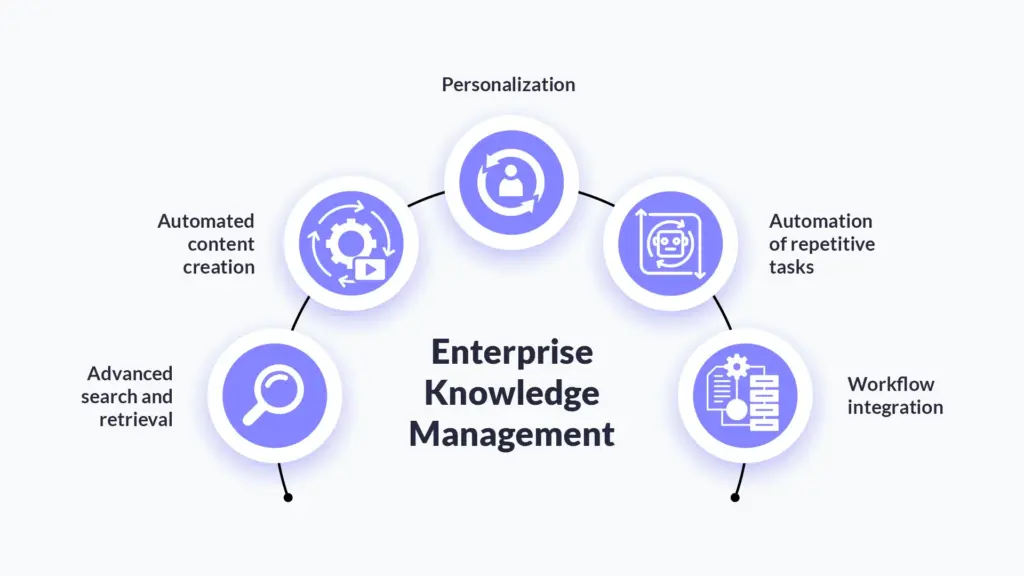
A well-built unified AI platform can handle tasks that previously required multiple separate tools: content generation, data analysis, workflow routing, summarization, and more. The functional surface area of these platforms is wider than what any single-feature SaaS product was designed to cover. That’s the argument accelerating enterprise decision-making in ways traditional rationalization initiatives never could.
Enterprises aren’t just swapping old tools for AI equivalents on a one-to-one basis. They’re collapsing categories. Where you once maintained a research tool, a writing tool, a summarization layer, and a separate knowledge management system, a single platform can now absorb much of that surface. Utilization improves not because teams are using more tools, but because they’re getting more output from fewer.
How SaaS consolidation reduces software costs is increasingly well-documented. Fewer contracts mean stronger negotiating leverage with remaining vendors. Reduced integration overhead cuts engineering time. A smaller vendor footprint lowers the compliance and security audit burden. But the productivity gains from AI-native workflows often dwarf the direct savings – and that’s the argument finally winning over CFOs who were skeptical of earlier consolidation pushes.
The shift isn’t theoretical. Procurement teams are asking harder questions at renewal time. “What does this tool do that our existing platform can’t?” is a question vendors weren’t fielding two years ago. The ones who can’t answer clearly are losing renewals.
Consolidation strategies vary by organization size and sector, but the pattern is consistent: identify the category of work, map it to current tools, evaluate overlap with existing or planned platforms, and rationalize from there. In practice, this often means collapsing three to five point solutions into one or two platforms with broader capability sets – and sunsetting the rest on a defined timeline.
IT and finance are increasingly aligned on this direction. Reducing the number of active tools shrinks the attack surface, simplifies compliance reporting, and makes vendor management tractable again. These aren’t soft benefits – they show up in audit outcomes and security posture reviews.
The cross-functional alignment matters more than it might seem. When IT and procurement are working from the same rationalization framework, consolidation decisions move faster and stick longer. There’s less re-litigation of tool choices six months later, fewer shadow purchases slipping through, and a cleaner paper trail for auditors and security teams. Organizations that treat consolidation as a shared initiative – rather than an IT directive handed down to reluctant teams – tend to see more durable results.
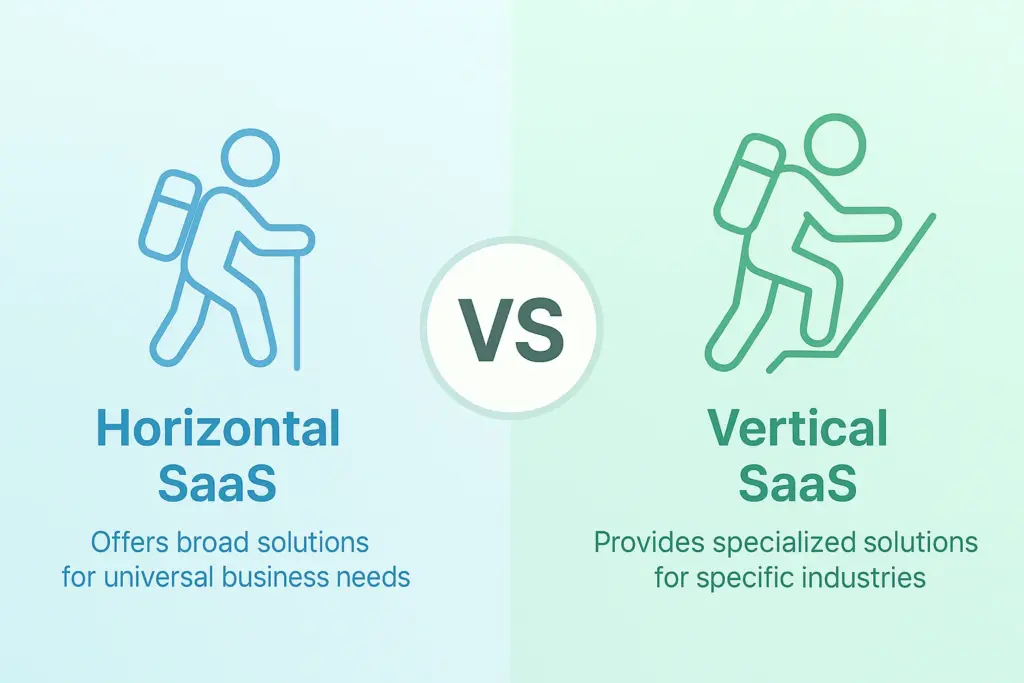
It’s worth being clear about what this wave isn’t. Not every vertical-specific tool disappears. Industries with deep compliance requirements, highly specialized workflows, or proprietary data environments will always need purpose-built software. The consolidation push targets horizontal tools – the generic productivity, communication, and workflow layers where overlap is highest and differentiation is lowest.
The vendors who survive will be the ones with genuine depth in a specific domain, or the ones building robust integrations with the broader AI ecosystem rather than resisting it. The ones caught in the middle – broad enough to feel redundant, not specialized enough to be irreplaceable – are in the most precarious position right now.
If your organization hasn’t conducted a serious software audit in the last twelve months, it’s overdue. Not because consolidation is a mandate, but because the landscape of what’s possible with fewer tools has changed materially. What required five platforms eighteen months ago may require two today.
The enterprises that come out ahead won’t be the ones that moved fastest or slowest. They’ll be the ones that asked the right questions at the right time – and built a technology stack deliberate enough to actually use.
SaaS consolidation is the process of auditing an organization’s software portfolio, identifying redundant or underused applications, and reducing the total number of tools in active use. The goal is a leaner, more integrated technology environment that’s easier to manage, secure, and govern – while lowering total software spend and reducing operational complexity across teams.
Most enterprises accumulate tools faster than they retire them, creating bloated stacks with significant functional overlap and growing management overhead. Consolidation addresses redundancy, lowers licensing costs, and cuts the integration work that comes with running too many vendors simultaneously. The emergence of broader AI-capable platforms has made it easier to justify retiring narrower point solutions that no longer justify their cost.
SaaS tool sprawl is the uncontrolled growth of software applications across an organization – often with limited visibility into what’s being used, by whom, and at what cost. It typically results from reactive purchasing decisions at the team or department level without centralized oversight. The downstream effects include fragmented workflows, redundant spend, inconsistent data, and compounding security risk.
In many cases, yes. Modern AI platforms can absorb functions that previously required separate tools – research, drafting, summarization, workflow automation, and data analysis among them. The extent of replacement depends on the organization’s specific requirements and the depth of the platform in question. The functional surface area of leading platforms has expanded significantly, making consolidation increasingly viable for horizontal use cases that don’t require deep vertical specialization.
Consolidation produces savings across several concrete levers: fewer licenses mean lower direct spend, reduced vendor relationships lower administrative and legal overhead, and simplified integration environments cut engineering time. Productivity typically improves alongside cost reductions when teams aren’t context-switching between disconnected tools – meaning organizations get more value from the platforms they keep. The combined effect tends to produce both meaningful budget relief and measurable efficiency gains.