Learn how a first-party data strategy helps B2B teams target high-value accounts, strengthen ABM, capture intent signals, and accelerate pipeline growth.
There’s a version of B2B marketing that sounds efficient on paper. You syndicate content, leads pour into your CRM, and your sales team gets to work. Clean. Scalable. Done.
Except it rarely plays out that way.
Most teams running heavy B2B content syndication programs know the frustration. The contact list grows. The pipeline doesn’t. You’re reaching a broad audience, but you’re not reaching the right accounts. And the buyers who actually matter? They’ve moved on before your SDR even picks up the phone.
This is the gap a first-party data strategy is designed to close.
Content syndication has its place. It builds awareness. It gets your name in front of new audiences. But it’s a top-of-funnel play, and it has a fundamental limitation: you don’t own the data it generates.
Third-party platforms decide which leads to pass you, based on their targeting logic and their audience pools. You get a name, a title, maybe a company. What you don’t get is context. You don’t know what that person was looking for. You don’t know if they’re actually in a buying cycle. You don’t know if they match the profile of accounts you’re trying to land.
That’s a big problem when your growth goals are tied to specific verticals, specific deal sizes, or specific personas. B2B content syndication can fill a spreadsheet, but it can’t tell you which accounts are worth pursuing right now.
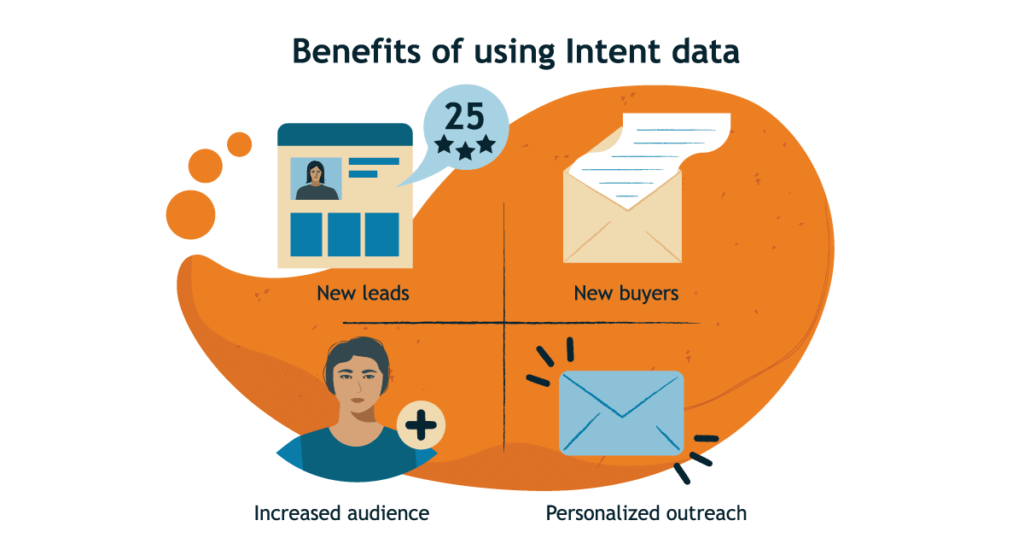
That’s where intent data changes the game.
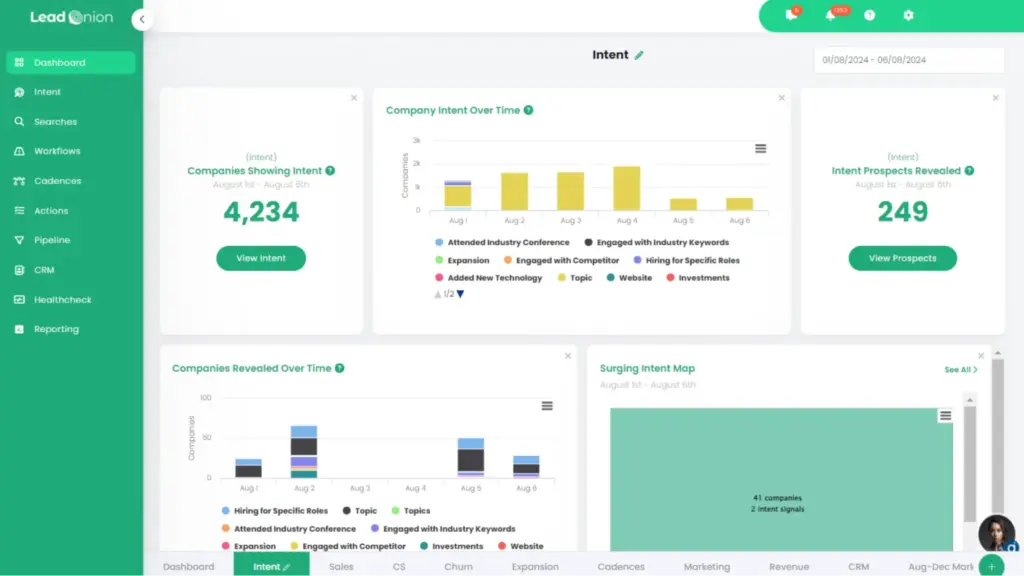
When you start tracking behavioral signals from your own digital properties, you’re no longer guessing. You can see which companies are visiting your pricing page, downloading your technical resources, returning to your case study library. That’s buyer intent data in its most actionable form, and it comes directly from your own channels.
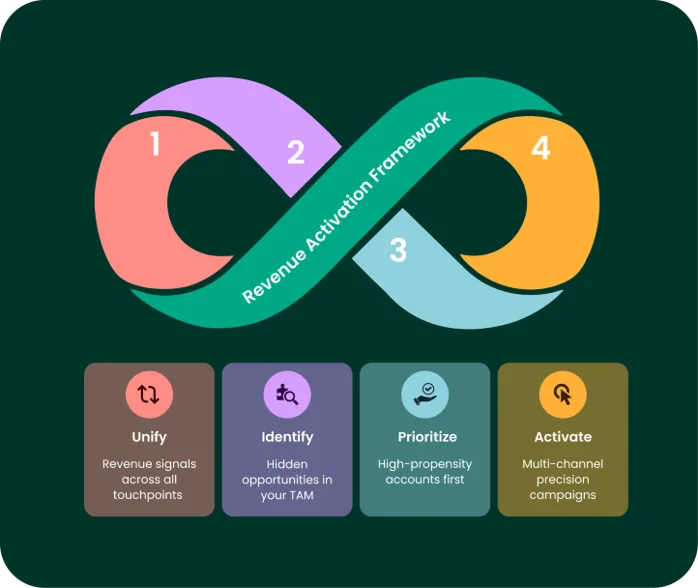
A first-party data strategy for B2B is less about a single tactic and more about building a connected system. Here’s how it tends to come together.
It’s worth being clear here. Replacing syndication entirely isn’t the goal for most teams. B2B content syndication still has value for building pipeline at scale, especially in new markets or categories where you’re still building brand recognition.
The shift is in where you place your highest-value resources. Your best content, your most tailored campaigns, your sharpest SDRs those should be deployed against accounts where you have real account engagement signals, not accounts you’ve acquired through a third-party list.
Think of syndication as the casting net and account-based marketing as the spearfishing. You need both. But if you want to land the accounts that actually move your revenue number, the spear wins.
The operational piece is where many teams stall. Personalization sounds great until you’re trying to do it across 200 accounts with a lean team.
A few things that make it sustainable. First, tier your accounts. You don’t need the same level of customization for every target. Tier one accounts get high-touch, fully personalized campaigns. Tier two and three get programmatic personalization, where messaging adapts based on segment, not individual account.
Second, invest in your data infrastructure early. Your buyer intent data is only as useful as your ability to act on it quickly. If insights sit in one tool while your team works in another, you’ll lose the timing advantage that makes intent data valuable in the first place.
Third, review account signals regularly. Markets move. Accounts that were cold six months ago might be actively evaluating right now. A quarterly audit of your target account list keeps your outreach relevant.
The B2B buyers you’re trying to reach are doing more research on their own, making decisions faster, and carrying higher expectations when a vendor finally reaches out. They don’t want to be treated like a lead. They want to feel like you already understand their problem.
A first-party data strategy gives you the foundation to do exactly that. It’s not a magic shortcut. It takes investment in data infrastructure, team alignment, and content that’s actually built for specific accounts. But the payoff is real: better targeting, stronger account engagement, and a pipeline that’s built on signals rather than assumptions.
A first-party data strategy is a structured approach to collecting, organizing, and activating behavioral and engagement data that comes directly from your own channels. In B2B, that means tracking how accounts and buyers interact with your website, content, emails, and events, then using those signals to drive more targeted marketing and sales activity.
B2B first-party data is information you collect directly from your own audience interactions. Website visits, form fills, content downloads, product page views — these are all examples. Unlike third-party data, you own it outright and it reflects real behavior from real buyers engaging with your brand.
Account-based marketing depends on knowing which accounts to prioritize and what those accounts care about. First-party data provides the behavioral signals that make those decisions more precise. Instead of targeting based on firmographics alone, you can focus on accounts that are already showing buyer intent data through their engagement with your content and digital properties.
Content syndication distributes your content through third-party platforms to generate leads from an external audience. The data you receive is owned by the platform and filtered through their logic. B2B first-party data comes from your own properties, giving you direct visibility into how specific accounts are engaging with your brand and where they are in their buying journey.
A strong account targeting strategy for B2B combines firmographic filters (industry, company size, geography, tech stack) with behavioral signals from your own data. Accounts that match your ideal customer profile and are actively engaging with your content or product pages are the ones worth prioritizing. Intent data adds another layer by surfacing accounts showing research behavior around relevant topics, even before they’ve directly reached out.