AI-driven memory demand is squeezing the consumer GPU market, raising prices and delaying upgrade cycles.
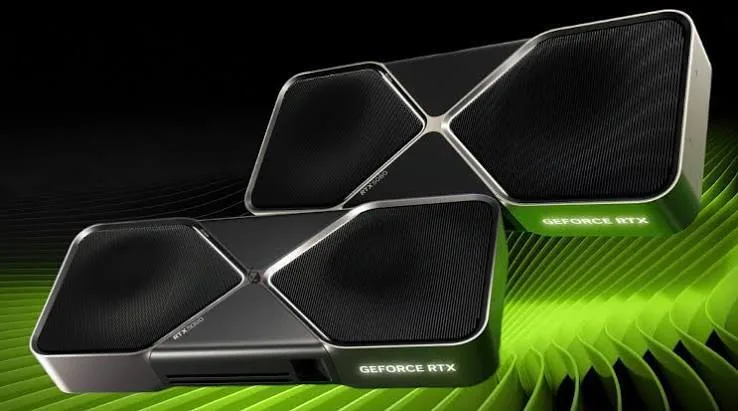
AI infrastructure demand is putting fresh pressure on the consumer graphics card market, with reports suggesting next-generation gaming GPUs from Nvidia and AMD may arrive later than expected.
The concern is not only chip design. High Bandwidth Memory and other advanced components are being prioritized for AI accelerators and data centre systems, limiting supply for consumer-grade graphics cards.
Nvidia has already warned that gaming chip shortages could persist through 2026, as AI demand continues to compete for semiconductor capacity.
That pressure is showing up in pricing. Current-generation GPUs remain expensive, with VRAM costs and limited discounts keeping prices elevated across several product tiers.
For gamers, the result is a more difficult upgrade market. Cards with lower memory capacity are struggling to meet expectations in newer titles, especially as more users move toward QHD, 4K and high-refresh-rate displays.
Reports around Nvidia’s future Rubin-based gaming products and AMD’s RDNA 5 roadmap suggest the next major consumer GPU cycle could stretch closer to 2028, although neither company has confirmed a firm delay.
AMD is reportedly expected to focus on a smaller number of products before a broader RDNA 5 rollout, while Nvidia continues to prioritize data centre accelerators where demand and margins are stronger.
The broader signal is clear: AI is reshaping the consumer hardware market from the supply side.
When data centre chips command more capacity, higher margins and stronger strategic priority, gaming GPUs become more exposed to longer product cycles, tighter memory supply and higher prices.
For PC builders, waiting for a major price reset may be risky. The consumer GPU market is likely to remain pressured until memory supply improves or AI infrastructure demand begins to normalize.