See how B2B wholesalers use integrated sourcing marketplaces to streamline procurement, connect with suppliers, and reduce procurement lead times.
Every wholesaler knows the quiet dread of a delayed shipment. A key supplier goes silent, a purchase order stalls, and the entire downstream chain – your customers, your margins, your reputation – ends up waiting on you. In B2B wholesale, time lost during sourcing is rarely a minor inconvenience. It is revenue slipping quietly through the cracks.
The encouraging part is that the tools for solving this have matured quickly. A new generation of procurement marketplace platforms is helping wholesalers move away from scattered, manual buying toward something faster and more predictable. That shift is the real promise of digital procurement: fewer bottlenecks, stronger supplier relationships, and orders that arrive when you actually need them.
Speed is not a vanity metric in wholesale. It is often the difference between keeping a loyal customer and losing one to a competitor who could simply deliver sooner. When lead times stretch, inventory planning turns into guesswork, working capital gets tied up in safety stock, and sales teams lose confidence in what they can promise.
Customers rarely announce that they are shopping around; they simply place a smaller order and wait to see whether you can keep pace. By the time the drop-off is obvious, the relationship has already cooled.
Traditional buying makes all of this worse. Emails, spreadsheets, and phone calls scatter critical information across inboxes, and a single missed reply can add days to a cycle. Lead time reduction, then, is not about pushing people to work harder. It is about removing the friction that slows the work down in the first place.
It helps to name the problem clearly. Manual sourcing does not just cost time; it costs certainty. Every day a request sits unanswered is a day your planning assumptions drift further from reality. Multiply that across dozens of open orders and the picture gets expensive fast – expedited freight to make up for lost days, rushed decisions on partners you have not fully vetted, and customers who quietly start hedging their bets with a second supplier.
This is why more wholesalers are treating procurement automation as an operational priority rather than a nice-to-have. The teams that win are not necessarily the ones with the most suppliers. They are the ones who can find, evaluate, and commit to the right partner before the window closes.
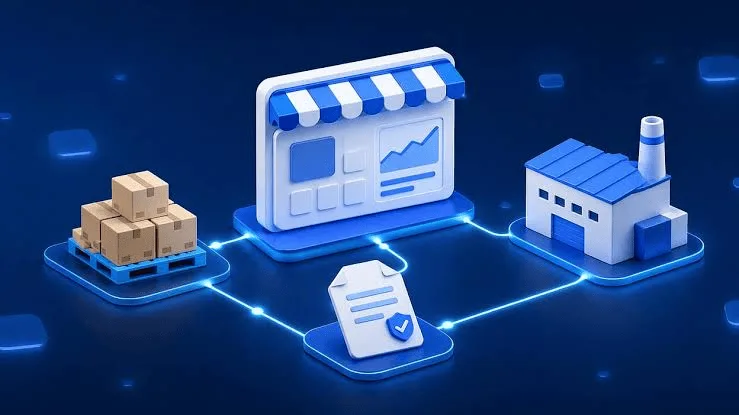
An integrated sourcing marketplace brings buyers and vetted suppliers into one connected environment. Instead of chasing quotes across a dozen channels, a wholesaler can search, compare, and transact in a single place. It is digital procurement for wholesalers built around how buying teams really operate – under pressure, short on time, and accountable for every order.
The strongest platforms tend to combine three capabilities. First, they make supplier discovery genuinely simple, surfacing qualified partners you might never have found through your existing network. Second, they support strategic sourcing by putting pricing, capacity, and reliability side by side so decisions are based on evidence. Third, they streamline supplier sourcing and everyday communication so nothing stalls quietly in someone’s inbox.
If you have been wondering how to reduce procurement lead times without adding headcount, the marketplace model offers a clear path. The gains come from a handful of practical changes working together.
Consolidated requests mean your team stops rebuilding the same order details for every vendor. Standardized supplier profiles let you evaluate options in minutes rather than days. And built-in procurement automation handles the repetitive steps – routing approvals, generating purchase orders, sending reminders – that quietly eat up hours across a month.
There is also a cultural shift worth noting. When buyers trust the system, they escalate less and plan more, and that steadiness is often what makes lead time reduction stick beyond the first few months.
The effect compounds. When each step is a little faster and a little more reliable, the total cycle shrinks noticeably. Most wholesalers discover that their biggest delays were never really about the suppliers themselves, but about the handoffs in between. This is exactly where a procurement marketplace proves its worth.
Fast sourcing is only valuable if it holds up over time, and that is where thoughtful supplier management earns its place. A good marketplace does not treat a completed transaction as the finish line. It becomes a living record of performance you can actually learn from.
Over time, you can see which partners consistently deliver, which ones need closer attention, and where consolidating spend might unlock better terms. Better still, that same data sharpens future supplier discovery, because you learn what a reliable partner actually looks like for your business. Relationships backed by data rather than gut feel are what keep lead times short even when demand suddenly spikes. In practice, this is strategic sourcing maturing into a genuine operational strength.
Overhauling procurement can feel daunting, especially when your current process – however clunky – is at least familiar. The smarter move is to start small. Pilot a single category or a short list of suppliers, measure the change in cycle time, and expand from there.
Set a clear baseline before you begin – average cycle time, number of active suppliers, and the share of orders that arrive on schedule – so the improvement is visible to everyone, not just the procurement team but the sales floor and the warehouse too.
Most teams are surprised by how quickly habits change once the friction disappears. Buyers stop firefighting and start planning ahead. Suppliers respond faster because expectations are clear. And leadership finally gets the visibility to treat sourcing as a competitive advantage rather than a recurring headache. The move toward digital procurement rarely feels dramatic day to day, yet the cumulative lead time reduction shows up clearly in the numbers.
For B2B wholesalers, the takeaway is simple. The technology to move faster already exists, and the businesses adopting it are quietly pulling ahead. The real question is no longer whether to modernize supplier sourcing, but how soon you can begin.
A B2B sourcing marketplace is an online platform that connects wholesale buyers with a network of vetted suppliers in one place. Rather than managing quotes and negotiations across email and spreadsheets, buyers can search, compare, and transact within a single environment – which shortens the path from need to purchase order.
The fastest wins come from removing manual handoffs: consolidating requests, standardizing how suppliers are evaluated, and automating approvals and order generation. When each step is quicker and more reliable, the whole cycle compresses. Most of the delay lives between steps, not within them.
Digital procurement is the practice of managing sourcing, purchasing, and supplier communication through connected software rather than manual, paper-based, or email-driven processes. It gives teams visibility, speed, and a data trail they can use to make better buying decisions over time.
Automation takes over the repetitive, low-value work – routing approvals, creating purchase orders, chasing responses – so your team spends its time on judgment calls instead of admin. That reduces errors, speeds up cycles, and frees buyers to plan proactively rather than react to fires.
Marketplaces make supplier discovery far easier by surfacing qualified, pre-vetted partners you might never reach through your existing network. You can compare pricing, capacity, and reliability side by side, which turns finding a new supplier from a slow research project into a quick, evidence-based decision.