Learn how dark funnel attribution and first-party data help B2B teams uncover hidden buyer signals, map customer journeys, and improve marketing attribution.
Your pipeline report says a deal came from a webinar. Your sales rep says the buyer already knew exactly what they wanted before the first call. Both can be true, and the gap between them is where most real decision-making happens.
Buyers now do the bulk of their research in private. They read peer reviews, ask questions in Slack communities, listen to podcasts, and compare notes with colleagues long before anyone fills out a form. None of that lands in your CRM. Marketers call this blind spot the dark funnel, and learning to map it is quickly becoming a core part of modern revenue attribution.
The dark funnel is the part of the buying process your analytics can’t see. It covers every interaction that happens away from your owned channels: private messages, community threads, review sites, word of mouth, and dark social shares. Many of the people in those moments are anonymous buyers, so you can’t tie a visit or a conversation to a name or an account.
Here’s the thing, though. Dark doesn’t mean nonexistent. It means unmeasured. That activity is real, and it shapes buyer behavior long before a lead ever enters your system.
The B2B buyer journey has never been a straight line, and it keeps getting messier. A single purchase often involves a whole buying group, with each person researching on their own device, on their own schedule, in places you don’t control.
Three things make it hard to follow:
Last-touch models then hand all the credit to whichever click came last, usually a branded search or a demo request. By that point, the buyer was already sold.
Standard models were built for a world where every touch was a trackable click. They reward what’s visible and ignore what’s influential. Budgets drift toward channels that are easy to measure, while the ones that quietly build trust get starved.
Self-reported attribution, like a “How did you hear about us?” field, helps. It captures stories that clicks miss. But it’s anecdotal and hard to scale, so you need something systematic to sit beside it.
Think of it as a second pair of eyes. Clicks show what happened on your site, while conversations explain why, and you need both to explain a closed deal. Each needs the other.
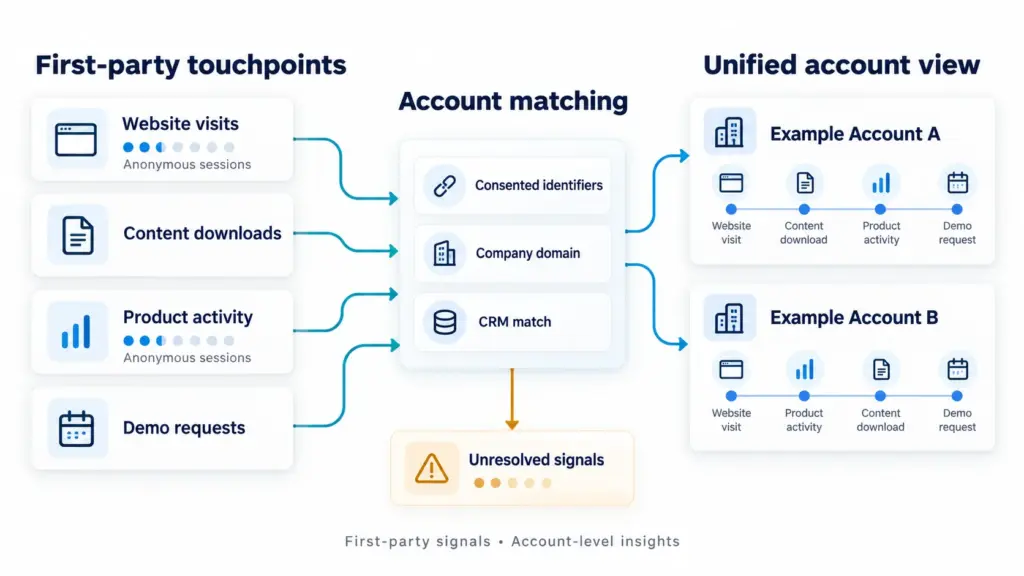
This is where first-party telemetry earns its place. It’s the behavioral data you collect directly from your own properties: site sessions, content engagement, product usage, email interactions, event check-ins, and sales conversations. You own it, you can trust it, and it holds up as third-party cookies fade.
Used well, first-party telemetry doesn’t try to see the hidden activity head-on. It reads the shadows it casts. A sudden spike of visits from one company, a pricing page viewed by three different roles, a returning visitor binging comparison content: each one is a clue that research happened somewhere you couldn’t see.
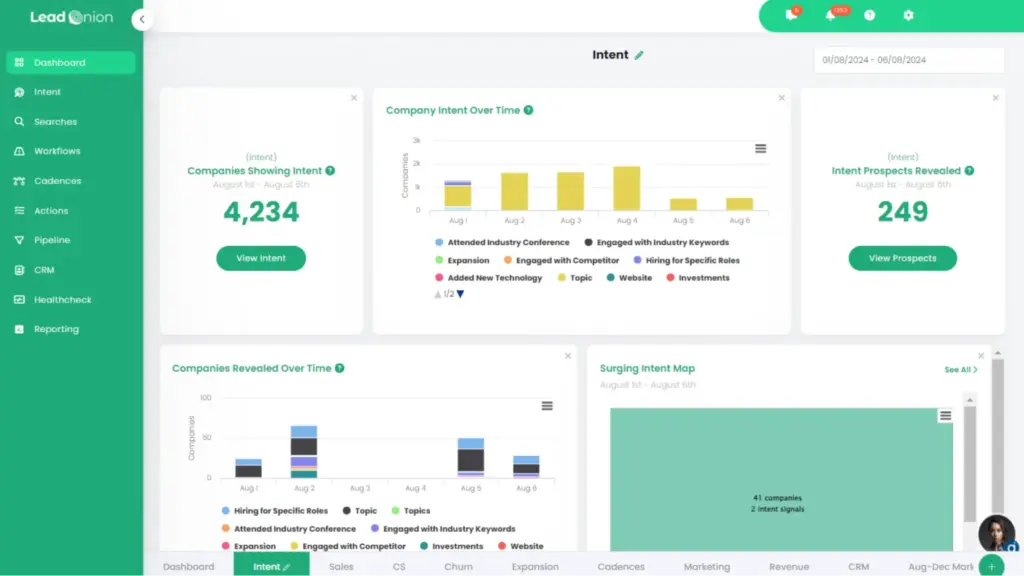
Layer in buyer intent data from external sources and you can confirm whether an account is actively researching your category. Neither source is enough alone. Together, they sketch a believable outline of what happened off-stage.
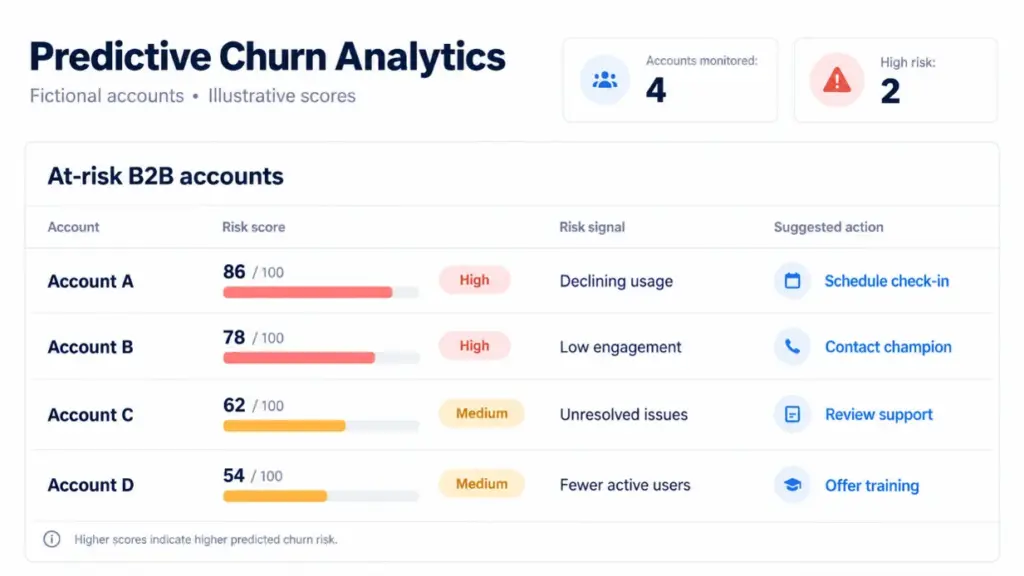
Raw signals don’t help anyone until they’re tied to an account. That’s the job of account intelligence. It resolves visits, contacts, and engagement into one account-level view, so sales and marketing are reading the same story.
So, what is dark funnel attribution? It’s the practice of inferring hidden influence from the signals you can measure and crediting it to the right accounts. That’s the heart of B2B buyer journey attribution: instead of rewarding a single click, you trace how an entire buying group moved from first awareness to a closed deal, including the quiet stretches in between.
With that in place, teams can:
You don’t need a giant stack to begin. Try this sequence:
Start small and be honest about what you can’t see. The goal is better questions, not perfect answers.
The dark funnel isn’t going away. Buyers value private research, and that preference will only grow. The teams that win won’t be the ones chasing total visibility. They’ll be the ones who read the signals they own, connect them to accounts, and make smarter calls with incomplete information.
It’s the set of buyer interactions that happen outside your tracked channels, such as private chats, peer recommendations, and review sites. These moments shape decisions but never show up in standard reports.
It’s the practice of connecting hidden research activity to the accounts and campaigns that influenced it. It relies on inference from measurable signals, not on tracking private conversations directly.
You can’t track it directly, but you can infer it. Combine your own behavioral data with buyer intent data, self-reported answers, and account-level matching to spot signs of research happening out of view.
Several stakeholders research separately, privacy rules limit tracking, and much of the conversation happens in private channels. The journey spans too many untracked touchpoints for any single tool to capture.
It gives you consented, reliable behavioral signals tied to real accounts. Paired with account intelligence, it helps you credit the programs that actually influence buyers, not only the last click.